
Industrial Heavy-Duty Electric Linear Actuators: Thrust Range Insights
2026-04-08 09:30:36
Click:
“
IntroductionIndustrial heavy-duty electric linear actuators are mechanical devic
”
Introduction
Industrial heavy-duty electric linear actuators are mechanical devices that convert rotational motion into linear motion through electric power, widely used in scenarios requiring high-load handling and precise control, such as metallurgical equipment, stage machinery, and renewable energy systems. A critical parameter for evaluating their performance is the thrust range, which directly determines their suitability for specific applications. This article provides an in-depth analysis of the thrust range of industrial heavy-duty electric linear actuators, covering typical values, influencing factors, and application scenarios.
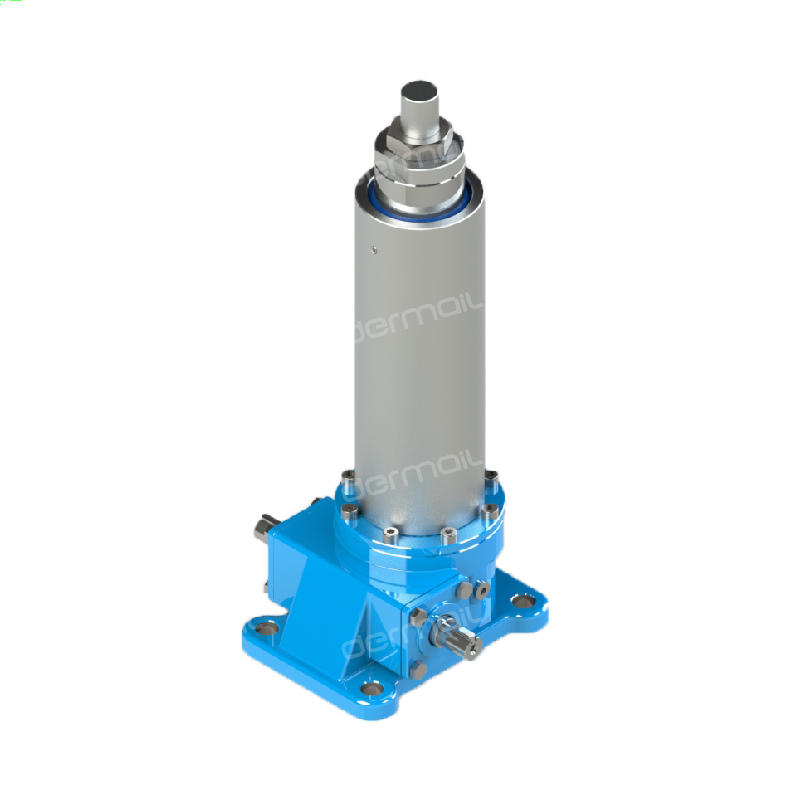
Typical Thrust Range
The thrust range of industrial dermail heavy-duty electric linear actuators varies significantly depending on design, materials, and intended use, but generally falls within the following brackets:
1. Conventional Heavy-Duty Models
- Lower Limit: Most standard heavy-duty actuators start at a thrust capacity of around 2,600 N (260 kgf). These models are suitable for moderate-load applications, such as adjusting conveyor systems or positioning medium-sized machinery components.
- Upper Limit: The upper end of the conventional range extends to approximately 176,520 N (18,000 kgf). Actuators in this category are robust enough to handle substantial loads, making them ideal for industrial automation tasks like opening and closing large valves or adjusting heavy-duty presses.
2. High-Performance and Specialized Models
- Ultra-High Thrust: Some advanced actuators can generate thrusts exceeding 350,000 N (35,000 kgf), with certain specialized designs reaching up to 2,000,000 N (200,000 kgf). These ultra-high-thrust models are engineered for extreme applications, such as supporting the movement of massive solar tracking arrays or positioning components in aerospace manufacturing.
- Customized Solutions: Manufacturers often offer customized actuators tailored to specific project requirements, with thrust capacities adjusted based on client needs. For example, in the renewable energy sector, actuators may be designed to handle the unique loads associated with wind turbine blade adjustment systems.
Factors Influencing Thrust Range
Several key factors contribute to the wide variation in thrust range among industrial heavy-duty electric linear actuators:
1. Material Selection
- High-Strength Alloys: The use of advanced materials, such as high-tensile steel or aluminum alloys, enhances the actuator's structural integrity, allowing it to withstand higher thrusts without deformation or failure.
- Composite Materials: In some cases, composite materials are employed to reduce weight while maintaining strength, particularly in applications where minimizing mass is critical, such as mobile machinery.
2. Mechanical Design
- Screw Mechanism: The type of screw mechanism (e.g., ball screw, trapezoidal screw) significantly impacts thrust capacity. Ball screws, with their low friction and high efficiency, are often preferred for high-thrust applications.
- Gear Reduction: Incorporating gear reduction systems can amplify the output torque, thereby increasing the effective thrust. However, this may come at the cost of reduced speed.
3. Motor Power
- High-Power Motors: The electric motor's power output directly correlates with the actuator's thrust capacity. High-power motors can generate greater rotational force, which is then converted into linear thrust.
- Variable Speed Drives: Some actuators are equipped with variable speed drives that allow for precise control of thrust and speed, enabling them to adapt to varying load conditions.
4. Environmental Considerations
- Corrosion Resistance: In harsh environments, such as marine or chemical processing applications, actuators may require corrosion-resistant coatings or materials to maintain their thrust capacity over time.
- Temperature Tolerance: Extreme temperatures can affect material properties and lubrication, potentially reducing thrust capacity. Actuators designed for high- or low-temperature environments incorporate features to mitigate these effects.
Application Scenarios
The thrust range of industrial heavy-duty electric linear actuators determines their suitability for various applications:
1. Metallurgical Equipment
- In steel mills, actuators with high thrust capacities are used to adjust the position of rolling mills, ensuring precise control over the thickness of rolled metal sheets.
- They are also employed in blast furnaces to control the flow of raw materials, requiring actuators capable of handling the immense loads associated with these processes.
2. Stage Machinery
- Large-scale stage productions often rely on heavy-duty actuators to move scenery, lighting rigs, and other equipment. The ability to generate high thrusts ensures smooth and reliable operation, even under heavy loads.
- Some stage designs incorporate actuators with ultra-high thrust capacities to create dynamic effects, such as lifting entire sections of the stage or simulating earthquakes.
3. Renewable Energy
- In solar power plants, actuators are used to adjust the angle of solar panels throughout the day to maximize energy capture. High-thrust models are necessary to handle the weight of large solar arrays and withstand wind loads.
- Wind turbine manufacturers utilize heavy-duty actuators to position turbine blades, requiring actuators capable of generating significant thrust to overcome aerodynamic forces.
4. Industrial Automation
- Automated assembly lines and material handling systems often incorporate heavy-duty actuators to move heavy components or tools. The ability to generate precise thrusts ensures accurate positioning and efficient operation.
- In robotics, actuators with high thrust capacities are used in the joints of heavy-duty robots, enabling them to lift and manipulate large objects with precision.
Conclusion
The thrust range of industrial heavy-duty electric linear actuators is a critical parameter that determines their suitability for a wide range of applications. From conventional models with thrust capacities in the tens of thousands of newtons to ultra-high-thrust designs exceeding two million newtons, these actuators offer solutions for virtually every heavy-load scenario. By understanding the factors influencing thrust range and the typical values associated with different applications, engineers and designers can select the most appropriate actuator for their specific needs, ensuring optimal performance and reliability in industrial settings.








Tel:+86-317-7369999
E-mail: demai@demai.org
Mobile:+86-18653450543 (Wechat)
Address:No. 6, Haihe Road, economic development zone, Wuqiao County, Cangzhou City, Hebei Province

点击右上角
分享给朋友吧
Copyright ©2023 All Rights Reserved Hebei Demai Transmission Machinery Co.,Ltd.
Copyright ©2025 All Rights Reserved Hebei Demai Transmission Machinery Co.,Ltd.
