
Key Precautions for Operating Industrial Electric Linear Actuators
2026-04-10 09:57:15
Click:
“
Industrial electric linear actuators are widely used in automation, robotics, and material handling systems due to their precision, reliability, and ease of integration.
”
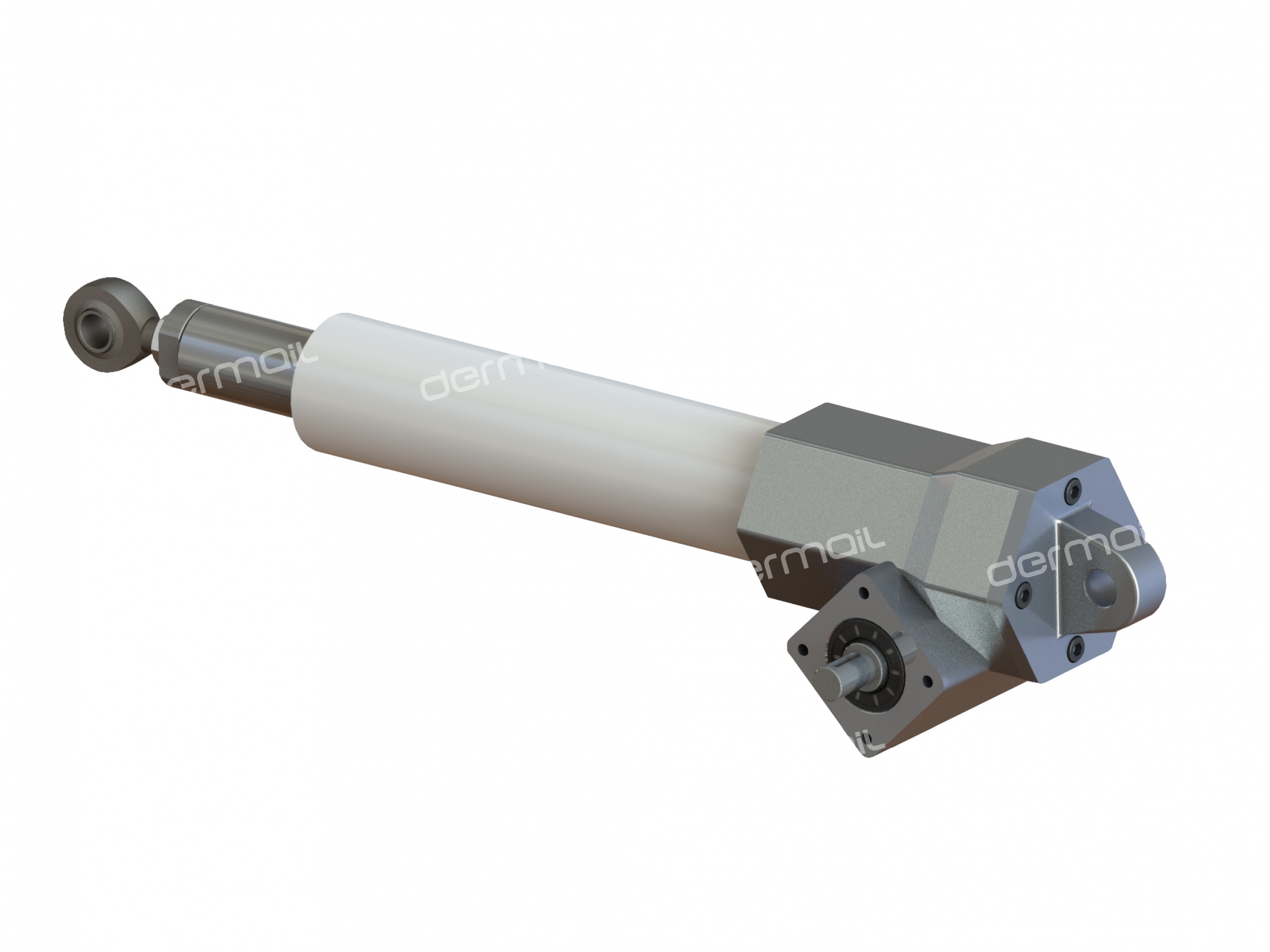
Industrial electric linear actuators are widely used in automation, robotics, and material handling systems due to their precision, reliability, and ease of integration. However, improper operation can lead to premature wear, safety hazards, or system failures. This article outlines critical precautions to ensure safe and efficient actuator performance.
1. Installation and Initial Setup
- Secure Mounting: Ensure the actuator is firmly attached to a stable, level surface capable of withstanding operational forces. Use vibration dampers if the application involves frequent movement or impact loads.
- Electrical Connections: Verify that power and signal cables are correctly routed and secured to prevent accidental disconnection or damage. For mobile applications, use reinforced cables or spring-loaded connectors to resist pulling forces.
- Alignment Checks: Manually test the actuator’s stroke before powering on to confirm smooth movement without binding or abnormal noise. Adjust mechanical linkages if misalignment is detected.
- Limit Switch Calibration: Program soft limits (if equipped) or physically test hard stops to prevent overtravel, which can damage internal components like lead screws or gears.
2. Load and Speed Management
- Avoid Overloading: Never exceed the actuator’s rated load capacity. Dynamic loads (e.g., lifting or accelerating masses) may require derating the maximum force by 20–30% to account for inertia.
- Speed Optimization: Select appropriate speeds based on load and duty cycle. High-speed operation under heavy loads increases heat generation and wear, while low speeds enhance precision for tasks like positioning.
- Gradual Acceleration/Deceleration: Use motion controllers to implement smooth start-stop profiles, reducing mechanical stress and preventing jerky movements that could destabilize the system.
3. Environmental Adaptation
- Temperature Control: Operate within the specified temperature range (typically -20°C to +60°C). In extreme cold, preheat the actuator to avoid lubricant thickening; in high heat, ensure adequate ventilation or cooling.
- Dust and Moisture Protection: Use IP65-rated actuators for dusty environments and install protective covers or boots over rods to prevent contaminant ingress. For wet conditions, select stainless steel housings and waterproof connectors.
- Corrosion Resistance: In chemical or marine settings, opt for actuators with epoxy coatings or 316L stainless steel components to resist corrosion. Regularly inspect for rust or coating degradation.
4. Maintenance and Inspection
- Lubrication: Follow the manufacturer’s guidelines for greasing lead screws or rails. Over-lubrication can attract debris, while under-lubrication accelerates wear.
- Fastener Tightening: Periodically check mounting bolts and rod-end connections for loosening, especially in vibratory applications. Use torque wrenches to avoid over-tightening.
- Electrical Component Checks: Inspect cables for fraying or insulation damage, and clean motor vents to prevent dust buildup. Test emergency stop circuits annually to ensure rapid shutdown capability.
- Spare Parts Readiness: Stock critical components like seals, limit switches, and brushes to minimize downtime during repairs.
5. Safety Measures
- Guarding: Install physical barriers or light curtains around the actuator’s stroke path to prevent pinch injuries or collisions with personnel.
- Overload Protection: Use thermal relays or electronic current monitors to disconnect power if the actuator stalls, avoiding motor burnout.
- Grounding: Ensure proper electrical grounding to prevent shock hazards, particularly in wet or conductive environments.
- Lockout/Tagout (LOTO): Follow LOTO procedures during maintenance to de-energize the actuator and avoid accidental activation.
6. Application-Specific Considerations
- Explosive Atmospheres: For hazardous locations (e.g., oil and gas), use ATEX/IECEx-certified actuators with intrinsically safe circuits.
- Food/Pharma Industry: Select hygienic actuators with smooth surfaces, FDA-compliant lubricants, and IP69K ratings for high-pressure washdowns.
- Outdoor Use: Equip actuators with sunshields or rain covers and verify salt-fog resistance for coastal installations.
Conclusion
By adhering to these precautions, operators can maximize the lifespan of electric linear actuators while ensuring workplace safety and system reliability. Regular training for personnel on installation, maintenance, and emergency protocols is equally vital to mitigate risks in industrial automation environments.








Tel:+86-317-7369999
E-mail: demai@demai.org
Mobile:+86-18653450543 (Wechat)
Address:No. 6, Haihe Road, economic development zone, Wuqiao County, Cangzhou City, Hebei Province

点击右上角
分享给朋友吧
Copyright ©2023 All Rights Reserved Hebei Demai Transmission Machinery Co.,Ltd.
Copyright ©2025 All Rights Reserved Hebei Demai Transmission Machinery Co.,Ltd.
