
Safety Protection Devices for Screw Jacks
2026-03-27 08:10:25
Click:
“
To ensure the safe and reliable operation of these devices, especially when handling heavy loads or operating in critical environments, a range of safety protection devices are incorporated.
”
Screw jacks are widely used in various industrial and mechanical applications for lifting, lowering, or positioning loads. To ensure the safe and reliable operation of these devices, especially when handling heavy loads or operating in critical environments, a range of safety protection devices are incorporated. This article explores the key safety protection devices commonly found in screw jacks.
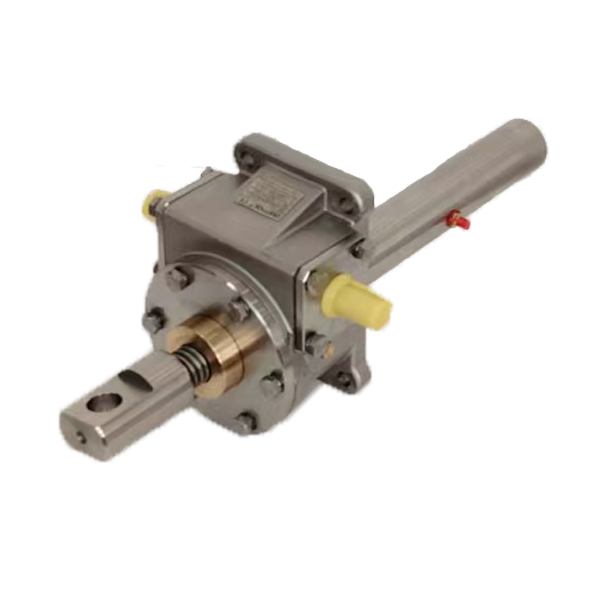
1. Limit Switches
Limit switches are fundamental safety devices in screw jacks. They are installed at the upper and lower extremes of the screw's travel range. When the screw jack reaches its pre-set upper or lower limit, the limit switch is activated, automatically cutting off the power supply to the motor. This prevents the screw from over-traveling, which could otherwise lead to mechanical damage, such as the screw being forced out of its housing or the motor stalling due to excessive load. Limit switches can be either mechanical or electrical, with electrical limit switches offering higher precision and reliability in most modern applications.
2. Overload Protection Devices
Overload protection is crucial for preventing damage to the screw jack and ensuring operator safety. These devices are designed to detect when the load on the screw jack exceeds its rated capacity. Once an overload is detected, the protection mechanism is triggered, typically by interrupting the power supply or engaging a mechanical brake. There are several types of overload protection devices, including torque limiters, which slip when the torque exceeds a certain threshold, and electronic overload relays that monitor the current drawn by the motor and trip when it indicates an overload condition.
3. Safety Nuts
Safety nuts are an additional layer of protection against screw failure. In a typical dermail screw jack setup, there are two nuts: a working nut and a safety nut. The working nut is responsible for the normal lifting and lowering operations, while the safety nut remains inactive under normal conditions. However, if the working nut's threads become worn or damaged, the load will gradually transfer to the safety nut. The safety nut is designed to withstand this transferred load, preventing the screw from suddenly dropping and causing accidents. Additionally, the change in the gap between the working nut and the safety nut can serve as an early warning sign of nut wear, prompting timely maintenance or replacement.
4. Braking Systems
Braking systems are essential for holding the load in position when the screw jack is not in motion. There are two main types of braking systems used in screw jacks: electromagnetic brakes and mechanical brakes. Electromagnetic brakes are powered by an electric current and are engaged when the power is cut off, providing instant and reliable braking. Mechanical brakes, on the other hand, rely on mechanical force, such as springs or friction, to hold the load. They are often used as a backup to electromagnetic brakes or in applications where electromagnetic interference is a concern.
5. Emergency Stop Devices
Emergency stop devices, such as push buttons or pull cords, are strategically placed within easy reach of the operator. In the event of an emergency, such as a sudden load shift or a malfunction in the screw jack, the operator can quickly activate the emergency stop device, which immediately cuts off the power supply to the motor and applies the brakes, bringing the screw jack to a halt. This rapid response can prevent serious accidents and minimize damage to the equipment.
6. Guardrails and Safety Covers
In applications where the screw jack is exposed to the operating environment or where there is a risk of personnel coming into contact with moving parts, guardrails and safety covers are installed. Guardrails are used to prevent personnel from accidentally falling into the area around the screw jack, while safety covers protect the screw and other moving components from dust, debris, and accidental contact. These physical barriers enhance the overall safety of the screw jack system by reducing the risk of human error and environmental factors causing accidents.
In conclusion, the safety protection devices incorporated into screw jacks play a vital role in ensuring the safe and efficient operation of these devices. By combining limit switches, overload protection devices, safety nuts, braking systems, emergency stop devices, and physical barriers like guardrails and safety covers, manufacturers can provide a comprehensive safety solution that meets the needs of various industrial applications. Regular maintenance and inspection of these safety devices are also essential to ensure their continued effectiveness and reliability.








Tel:+86-317-7369999
E-mail: demai@demai.org
Mobile:+86-18653450543 (Wechat)
Address:No. 6, Haihe Road, economic development zone, Wuqiao County, Cangzhou City, Hebei Province

点击右上角
分享给朋友吧
Copyright ©2023 All Rights Reserved Hebei Demai Transmission Machinery Co.,Ltd.
Copyright ©2025 All Rights Reserved Hebei Demai Transmission Machinery Co.,Ltd.
