
Can Screw Jacks Be Used in Outdoor Environments?
2025-11-13 10:32:33
Click:
“
Screw jacks, known for their precision, reliability, and heavy-load capacity, are widely used in industrial settings. However, their application in outdoor environments raises questions about durability
”
Screw jacks, known for their precision, reliability, and heavy-load capacity, are widely used in industrial settings. However, their application in outdoor environments raises questions about durability, performance, and safety under harsh conditions. This article explores the feasibility of using screw jacks outdoors and outlines key considerations for successful deployment.
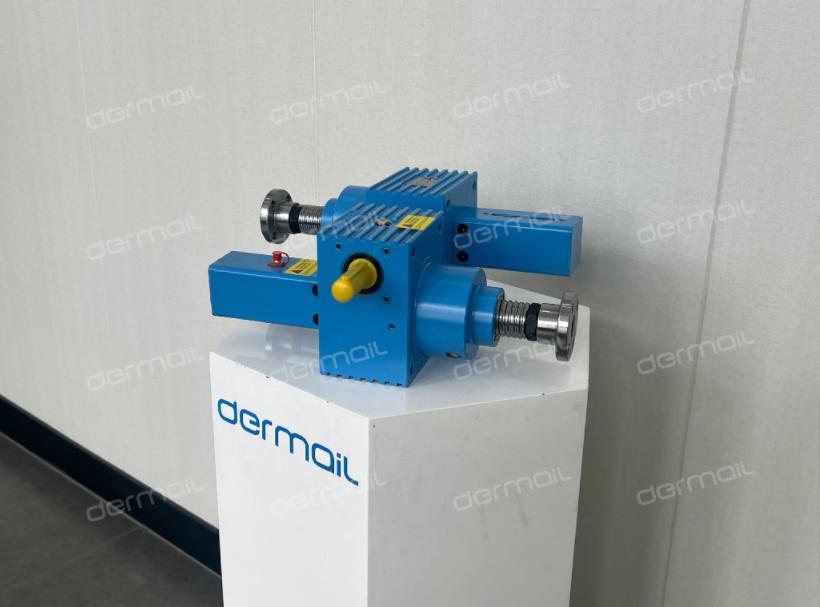
1. Challenges of Outdoor Environments
Outdoor settings expose Screw Jack system to a range of environmental stressors that differ significantly from controlled indoor environments:
- Temperature Extremes: Screw jacks may face temperatures ranging from -40°C in polar regions to +60°C in deserts, exceeding standard operational limits (-10°C to +40°C).
- Moisture and Precipitation: Rain, snow, and humidity can lead to corrosion, electrical short circuits, and lubrication failure.
- Dust and Particulates: Sand, dirt, or industrial pollutants accelerate wear on threads, gears, and seals.
- UV Exposure: Prolonged sunlight degrades rubber seals and plastic components, compromising protection.
- Mechanical Stress: Wind loads, vibrations, and uneven terrain may affect structural integrity and synchronization accuracy.
2. Technical Adaptations for Outdoor Use
To withstand outdoor conditions, screw jacks require specialized modifications:
a. Enhanced Protection Ratings
- IP65/IP67 Enclosures: Waterproof and dust-tight housings prevent ingress of liquids and particles.
- Seal Upgrades: Fluororubber or silicone seals (resistant to -60°C to +250°C) replace standard rubber components.
- Breathable Membranes: Waterproof vents balance internal pressure while blocking moisture.
b. Corrosion-Resistant Materials
- Stainless Steel Construction: 304/316L stainless steel or aluminum alloys (e.g., 6061-T6) resist rust and chemical exposure.
- Surface Treatments: Anodizing, galvanizing, or nickel plating extend component lifespan in saline or acidic environments.
c. Lubrication and Thermal Management
- High-Temperature Grease: Molybdenum disulfide-based lubricants operate effectively from -30°C to +180°C.
- Heat Dissipation: Finned housings or forced-air cooling systems prevent overheating in direct sunlight.
d. Structural Reinforcements
- Anti-Wind Design: Heavy-duty bases or ground anchors ensure stability under wind speeds up to 120 km/h (Category 3 hurricane).
- Vibration Isolation: Rubber dampers reduce resonance from uneven surfaces or dynamic loads.
e. Smart Monitoring Systems
- Environmental Sensors: Integrated temperature, humidity, and tilt sensors trigger alerts for maintenance.
- Remote Diagnostics: 5G/LoRa connectivity enables real-time performance tracking and predictive failure analysis.
3. Typical Outdoor Applications
Screw jacks adapted for outdoor use serve critical roles in diverse industries:
- Solar Tracking Systems: Precision adjustment of photovoltaic panels in temperatures from -40°C to +70°C.
- Port Logistics: Heavy-duty lifting of containers in coastal areas with high salt spray.
- Agricultural Machinery: Elevation control for irrigation systems in dusty, humid environments.
- Outdoor Stages: Synchronized lifting of platforms for concerts and events, even in rainy conditions.
4. Maintenance Best Practices
To ensure longevity, outdoor screw jacks require proactive maintenance:
- Regular Inspections: Quarterly checks for seal integrity, lubrication levels, and corrosion.
- Cleaning Protocols: High-pressure air blowing to remove dust post-operation.
- Load Testing: Biannual verification of synchronization accuracy under full load.
- Spare Parts Inventory: On-site storage of critical components (e.g., seals, motors) for rapid replacement.
5. Case Study: Solar Tracking in Desert Conditions
A Middle Eastern solar farm deployed stainless steel screw jacks with IP67 ratings and molybdenum grease. Despite daily temperature swings of 40°C and sandstorms, the system maintained ±0.3mm synchronization accuracy over five years, reducing maintenance costs by 60% compared to hydraulic alternatives.
Conclusion
Screw jacks can indeed operate reliably in outdoor environments when engineered with appropriate protections. By integrating corrosion-resistant materials, advanced sealing, and smart monitoring, manufacturers are expanding their use into solar energy, maritime logistics, and agricultural automation. As industries demand more durable and efficient outdoor machinery, customized screw jack solutions will play a pivotal role in driving innovation.
Key Takeaway: For outdoor applications, prioritize dermail transmission screw jacks with IP65+ ratings, stainless steel construction, and remote monitoring capabilities. Partnering with suppliers experienced in harsh-environment engineering ensures optimal performance and longevity.








Tel:+86-317-7369999
E-mail: demai@demai.org
Mobile:+86-18653450543 (Wechat)
Address:No. 6, Haihe Road, economic development zone, Wuqiao County, Cangzhou City, Hebei Province

点击右上角
分享给朋友吧
Copyright ©2023 All Rights Reserved Hebei Demai Transmission Machinery Co.,Ltd.
Copyright ©2025 All Rights Reserved Hebei Demai Transmission Machinery Co.,Ltd.
