
What to Do When the Positioning Accuracy of Screw Jacks Declines?
2025-11-06 11:07:35
Click:
“
Screw jacks are widely used in various industrial applications, such as precision machining, automated assembly lines, and material handling systems, due to their ability to provide accurate linear motion.
”
Screw jacks are widely used in various industrial applications, such as precision machining, automated assembly lines, and material handling systems, due to their ability to provide accurate linear motion. However, over time, the positioning accuracy of screw jacks may decline, which can significantly affect the overall performance and quality of the production process. This article explores the common causes of reduced positioning accuracy in screw jacks and provides practical solutions to restore and maintain optimal performance.
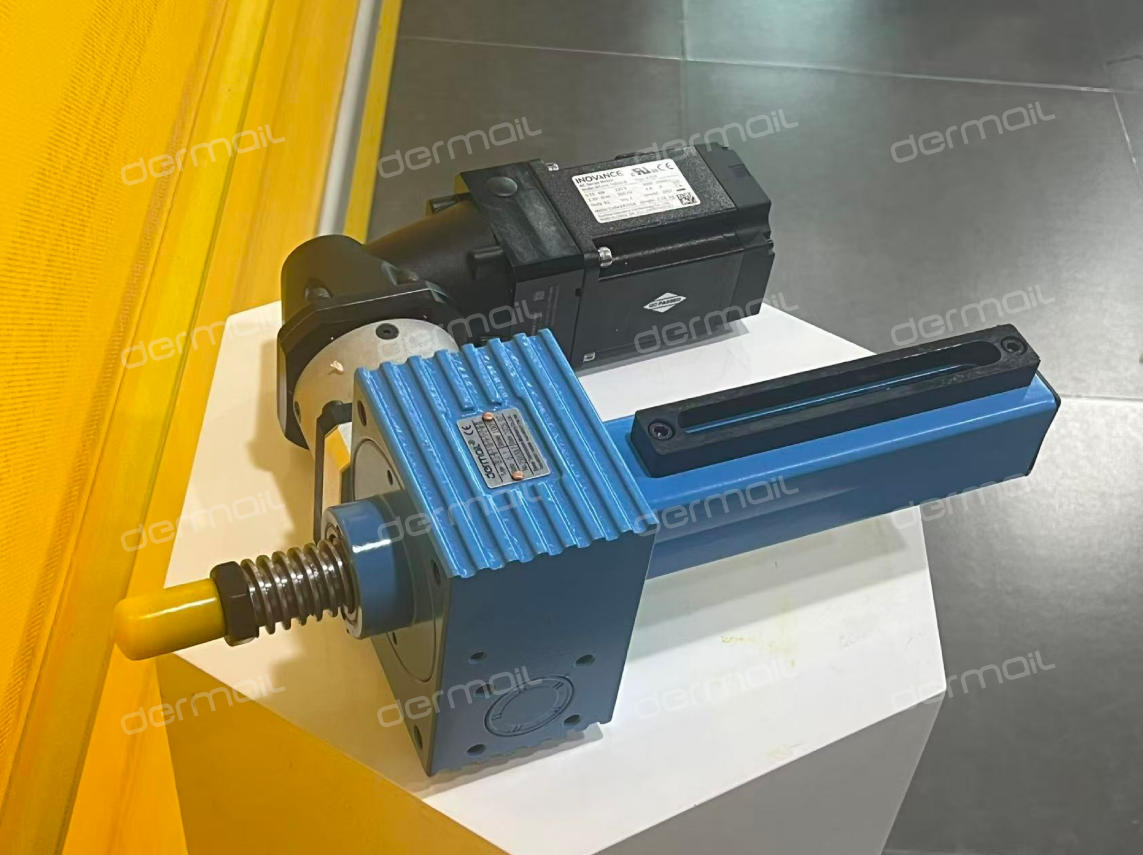
Common Causes of Reduced Positioning Accuracy
1. Wear and Tear of Components
The continuous operation of screw jacks subjects their components, such as the screw shaft, nut, and bearings, to significant mechanical stress. Over time, this can lead to wear and tear, causing increased clearance between mating surfaces. For example, the ball bearings in the nut may wear down, resulting in larger backlash and reduced positioning accuracy.
2. Improper Installation
Incorrect installation of the screw Jack system can introduce misalignments and uneven loads. If the screw shaft is not properly aligned with the motor or the supporting structure, it can cause bending stresses and uneven wear, leading to a decline in positioning accuracy. Additionally, improper tightening of fasteners during installation can result in loose connections, which may also affect the performance of the screw jack.
3. Insufficient Lubrication
Lubrication plays a crucial role in reducing friction and wear between moving parts. Insufficient or improper lubrication can cause increased friction, leading to overheating and premature wear of components. This, in turn, can degrade the positioning accuracy of the screw jack as the clearance between parts increases.
4. Environmental Factors
External environmental factors, such as temperature fluctuations, humidity, and the presence of contaminants, can also impact the positioning accuracy of screw jacks. For instance, high temperatures can cause thermal expansion of the screw shaft, altering its dimensions and affecting the accuracy of linear motion. Similarly, the ingress of dust, dirt, or corrosive substances can damage the components and interfere with their smooth operation.
Solutions to Restore Positioning Accuracy
1. Component Replacement and Maintenance
Regular inspection and maintenance are essential to identify and address worn-out components. When wear and tear are detected, it is crucial to replace the affected parts, such as the nut, bearings, or the entire screw shaft if necessary. Using high-quality replacement parts from reputable manufacturers can ensure compatibility and restore the original positioning accuracy. Additionally, implementing a preventive maintenance schedule that includes regular cleaning, lubrication, and alignment checks can help extend the lifespan of the screw jack and maintain its performance.
2. Correct Installation and Alignment
Proper installation is key to ensuring the long-term accuracy of a screw jack. Follow the manufacturer's installation guidelines carefully, using appropriate tools and techniques to align the screw shaft, motor, and supporting structure accurately. Use precision alignment tools, such as laser aligners, to achieve precise alignment. During installation, ensure that all fasteners are tightened to the recommended torque values to prevent loose connections.
3. Optimal Lubrication
Selecting the right lubricant and applying it at the correct intervals is crucial for maintaining the positioning accuracy of a screw jack. Consult the manufacturer's recommendations for the appropriate lubricant type and viscosity based on the operating conditions. Apply the lubricant evenly to all moving parts, ensuring that it reaches the critical areas, such as the ball bearings in the nut. Regularly monitor the lubrication level and reapply as needed to prevent dry running and excessive wear.
4. Environmental Control
To minimize the impact of environmental factors on the positioning accuracy of screw jacks, implement appropriate environmental control measures. For example, install the screw jack in a temperature-controlled environment to reduce thermal expansion and contraction. Use protective enclosures or covers to shield the screw jack from dust, dirt, and moisture. In corrosive environments, consider using stainless steel or coated components to prevent rust and corrosion.
5. Calibration and Error Compensation
Regular calibration of the screw jack is essential to ensure accurate positioning. Use precision measurement tools, such as laser interferometers, to measure the positioning accuracy and identify any deviations. Based on the calibration results, implement error compensation techniques, such as adjusting the control parameters in the motion controller or using software-based compensation algorithms. These techniques can help correct for systematic errors and improve the overall positioning accuracy of the screw jack.
Conclusion
The decline in positioning accuracy of dermail screw jacks can have a significant impact on industrial processes that rely on precise linear motion. By understanding the common causes of reduced accuracy and implementing the appropriate solutions, such as component replacement, proper installation, optimal lubrication, environmental control, and calibration, it is possible to restore and maintain the positioning accuracy of screw jacks. Regular maintenance and monitoring are essential to ensure the long-term reliability and performance of these critical components in industrial applications.








Tel:+86-317-7369999
E-mail: demai@demai.org
Mobile:+86-18653450543 (Wechat)
Address:No. 6, Haihe Road, economic development zone, Wuqiao County, Cangzhou City, Hebei Province

点击右上角
分享给朋友吧
Copyright ©2023 All Rights Reserved Hebei Demai Transmission Machinery Co.,Ltd.
Copyright ©2025 All Rights Reserved Hebei Demai Transmission Machinery Co.,Ltd.
