
Key Considerations for Using Screw Jacks in Low-Temperature Environments
2025-10-28 10:35:30
Click:
“
However, when operating in low-temperature environments, such as those commonly encountered in northern regions during winter, specific precautions must be taken to ensure optimal performance, safety, and longevity of the equipment.
”
Screw jacks are essential mechanical devices widely used in industrial and construction settings for lifting, lowering, or positioning loads with precision. However, when operating in low-temperature environments, such as those commonly encountered in northern regions during winter, specific precautions must be taken to ensure optimal performance, safety, and longevity of the equipment. This article outlines the critical factors to consider when using dermail transmission screw jacks in cold conditions.
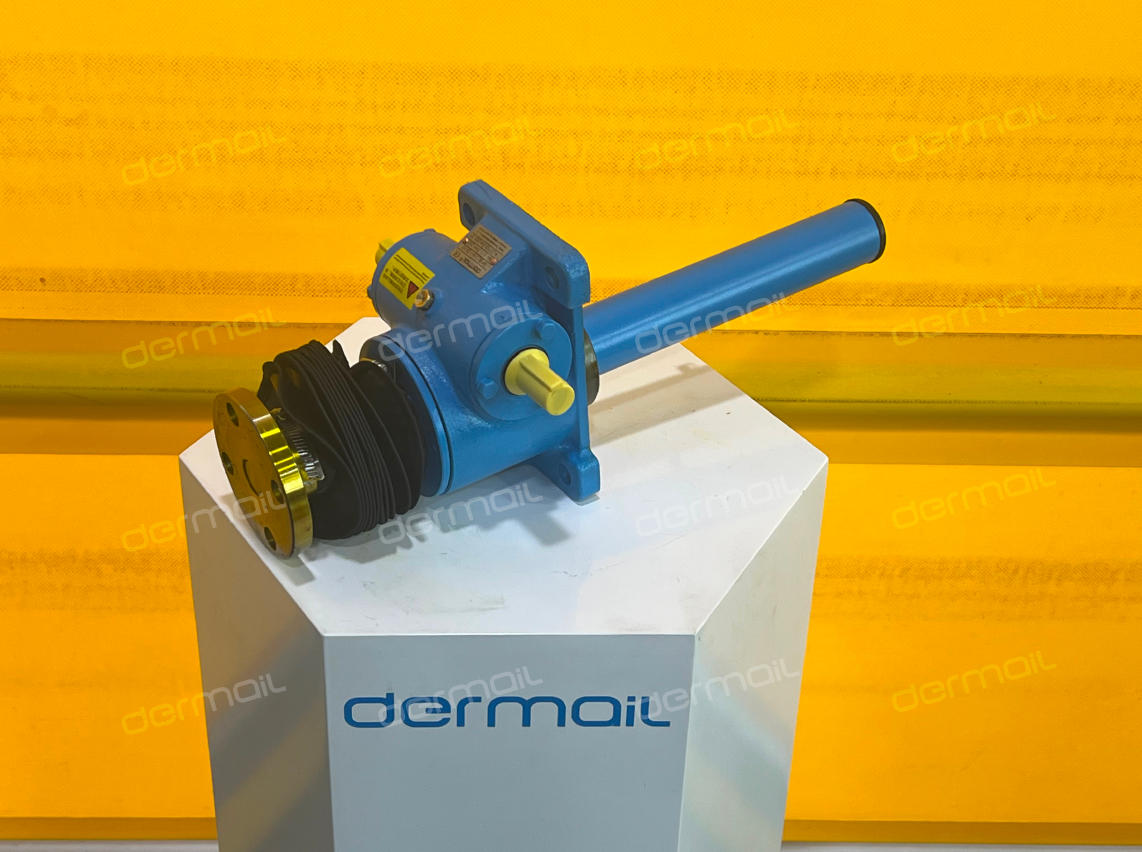
1. Material Selection and Adaptability
Low temperatures can significantly affect the physical properties of materials used in screw jacks. Metals, for instance, may become brittle, increasing the risk of fractures under load. To mitigate this:
- Opt for Low-Temperature-Resistant Materials: Choose screw jacks constructed from alloys or engineered plastics specifically designed to withstand cold temperatures without compromising strength or ductility. Stainless steel grades like 304 or 316, or specialized cold-resistant alloys, are preferable.
- Inspect Existing Components: If retrofitting existing equipment, thoroughly inspect key parts such as screws, nuts, gears, and bearings for signs of brittleness or cracking. Replace any components that show susceptibility to cold-induced failure.
2. Lubrication Optimization
Lubricants play a crucial role in reducing friction and wear in screw jacks. However, conventional lubricants can thicken or solidify in low temperatures, impairing their effectiveness. To address this:
- Use Low-Temperature Lubricants: Select lubricants formulated for cold environments, such as lithium-based greases or synthetic ester oils, which maintain fluidity and lubricity even at sub-zero temperatures.
- Regular Lubrication Maintenance: Increase the frequency of lubrication checks and replacements during cold seasons. Clean out old, contaminated lubricant before applying fresh, low-temperature lubricant to ensure optimal performance.
- Pre-Heating (if necessary): For extremely cold conditions (below -30°C), consider installing electric heating elements on motors or gearboxes to keep lubricants at a workable viscosity, reducing startup resistance.
3. Startup and Operational Procedures
Cold temperatures can make starting and operating screw jacks more challenging. Implement the following practices:
- Pre-Warming: Before full-load operation, run the screw jack empty for 10-30 minutes to allow internal components to gradually reach a more favorable operating temperature, reducing stress on the system.
- Gradual Loading: Avoid sudden or heavy loading immediately after startup. Gradually increase the load to prevent overloading and mechanical shock, which can be exacerbated by cold, stiff components.
- Smooth Operation: Operate the screw jack smoothly, avoiding abrupt starts, stops, or reversals. This minimizes wear and tear on components that may be more susceptible to damage in cold conditions.
4. Sealing and Protection
Low temperatures can affect the elasticity of seals, potentially leading to leaks and contamination. Take these steps:
- Check Seals Regularly: Inspect seals around moving parts, such as cylinders and gearboxes, for signs of wear, cracking, or loss of elasticity. Replace with low-temperature-compatible seals made from materials like fluorocarbon or silicone rubber.
- Apply Seal Conditioners: Use seal conditioners or lubricants compatible with the seal material to maintain flexibility and prevent leakage in cold weather.
- Protective Covers: Install protective covers or enclosures around the screw jack to shield it from snow, ice, and moisture, which can accelerate corrosion and interfere with operation.
5. Electrical System Protection
Cold temperatures can impact the performance of electrical components in screw jacks, such as motors, controllers, and sensors:
- Use Cold-Weather Motors: Select motors designed for low-temperature operation, featuring enhanced insulation and starting capabilities to handle increased resistance in cold conditions.
- Inspect Electrical Connections: Regularly check electrical connections for tightness and corrosion, as cold can cause contractions and loosening. Ensure proper grounding to prevent static buildup and electrical hazards.
- Sensor Calibration: Temperature fluctuations can affect the accuracy of sensors. Calibrate sensors according to the manufacturer's guidelines to ensure precise control and monitoring.
6. Routine Maintenance and Inspection
Regular maintenance is vital for the reliable operation of screw jacks in low-temperature environments:
- Daily Inspections: Conduct visual inspections before each use, checking for any signs of damage, leaks, or unusual noises. Pay particular attention to areas prone to cold-related issues, such as seals and lubrication points.
- Scheduled Maintenance: Follow a comprehensive maintenance schedule, including lubrication changes, component inspections, and replacements as recommended by the manufacturer. Keep detailed records of maintenance activities.
- Emergency Preparedness: Have spare parts, lubricants, and tools readily available for quick repairs in case of unexpected failures. Train operators on basic troubleshooting and emergency procedures.
Conclusion
Using screw jacks in low-temperature environments requires careful consideration of material selection, lubrication, startup procedures, sealing, electrical protection, and maintenance. By implementing these precautions, operators can ensure the safe, efficient, and long-lasting performance of screw jacks even in the harshest cold conditions. Regular monitoring and adherence to best practices will minimize downtime, reduce repair costs, and enhance overall operational reliability.








Tel:+86-317-7369999
E-mail: demai@demai.org
Mobile:+86-18653450543 (Wechat)
Address:No. 6, Haihe Road, economic development zone, Wuqiao County, Cangzhou City, Hebei Province

点击右上角
分享给朋友吧
Copyright ©2023 All Rights Reserved Hebei Demai Transmission Machinery Co.,Ltd.
Copyright ©2025 All Rights Reserved Hebei Demai Transmission Machinery Co.,Ltd.
