
Ball Screw Jacks in Cold Weather: Usage & Storage Guidelines
2025-10-10 09:07:10
Click:
“
Ball screw jacks are critical components in industrial machinery, offering precise linear motion and heavy-load capacity. However, their performance and longevity can be significantly impacted by cold weather conditions.
”
Ball screw jacks are critical components in industrial machinery, offering precise linear motion and heavy-load capacity. However, their performance and longevity can be significantly impacted by cold weather conditions. Low temperatures affect lubrication, material properties, and sealing efficiency, increasing the risk of malfunctions or safety hazards. Below are essential guidelines for operating and storing ball screw jacks in freezing environments.
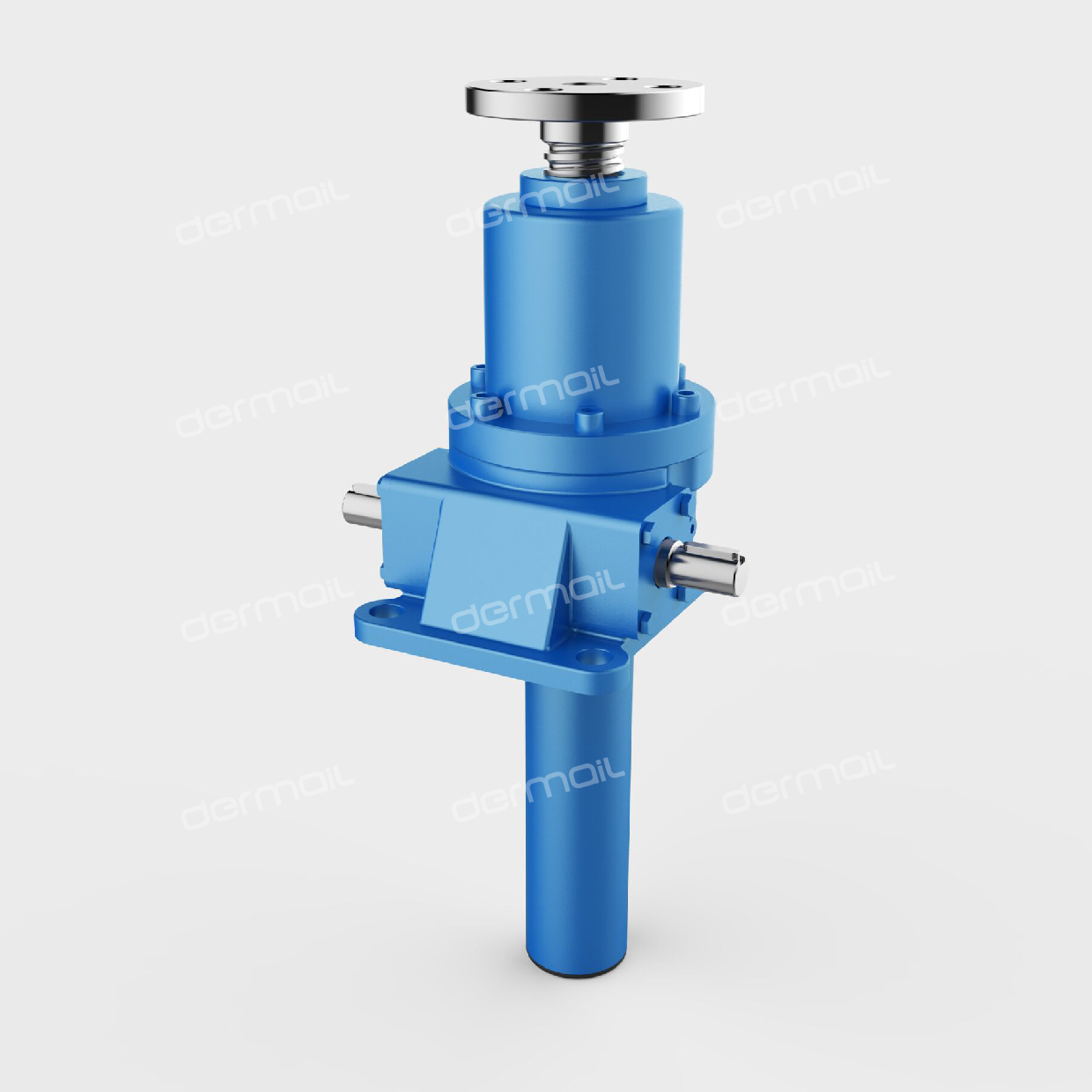
1. Operational Considerations in Cold Weather
1.1 Lubrication Management
Cold temperatures drastically alter lubricant behavior. Standard mineral oils may solidify below -10°C (14°F), leading to increased friction, wear, and potential seizure.
- Use Low-Temperature Lubricants: Opt for synthetic ester-based oils (e.g., PAO) or lithium-complex greases rated for temperatures as low as -40°C (-40°F). These maintain fluidity and reduce startup resistance.
- Preheat Lubrication Systems: Install electric heaters or oil circulation systems to warm lubricants to at least -10°C before operation. Run the jack unloaded for 10–15 minutes to distribute oil evenly.
- Shorten Maintenance Intervals: Check oil levels every 50 operating hours and replace lubricants every 200 hours, as cold conditions accelerate degradation.
1.2 Material and Structural Protection
Metals become brittle in cold weather, raising the risk of sudden fractures under stress.
- Avoid Shock Loads: Prevent abrupt starts, stops, or reverse movements. Use soft-start inverters to limit acceleration to ≤0.1 m/s².
- Adjust Preload Tensions: Reduce screw preload to 80% of the rated value to account for thermal contraction and prevent binding.
- Inspect Seals Regularly: Replace rubber seals (e.g., O-rings) every 3 months, as low temperatures cause hardening and cracking. Prioritize fluorocarbon or silicone seals for better cold resistance.
1.3 Load and Motion Control
- Gradual Loading: After preheating, apply loads in stages (50%, 80%, 100% of capacity) to avoid overstressing components.
- Limit High-Speed Operation: Reduce operating speeds by 30–50% in temperatures below -15°C (5°F) to minimize heat loss and vibration.
- Test Emergency Brakes Monthly: Ensure braking systems function reliably in cold conditions to prevent uncontrolled descent.
1.4 Environmental Adaptations
- Thermal Insulation: Enclose outdoor jacks with double-walled insulated covers (rockwool interior, aluminum exterior) to maintain operational temperatures.
- Electric Tracing: Install self-regulating heat tape on screw shafts and oil lines to prevent freezing. Use 20W/m tapes for localized heating.
- Dust and Moisture Control: Preheat incoming air with electric heaters to avoid condensation. Use telescopic bellows to shield screws from debris.
2. Storage Guidelines for Cold Weather
2.1 Ideal Storage Conditions
- Temperature and Humidity: Store in a dry, ventilated area with temperatures above -10°C (14°F) if possible. Use dehumidifiers to keep relative humidity below 60%.
- Level Placement: Store horizontally on wooden blocks to prevent deformation. Avoid stacking heavy items on stored jacks.
2.2 Component Preservation
- Rust Prevention: Apply anti-corrosion spray (e.g., WD-40) to screws and nuts. For long-term storage (>6 months), coat with removable epoxy varnish.
- Dust Protection: Cover jacks with breathable fabric or plastic sheets to block debris while allowing moisture evaporation.
- Periodic Rotation: Manually turn screws by 2–3 revolutions monthly to redistribute lubricant and prevent adhesion.
2.3 Pre-Startup Checks
- Lubricant Inspection: Verify oil viscosity and replace if congealed.
- Electrical Testing: Check motor windings and control cables for cracks due to thermal contraction.
- Functional Testing: Run the jack unloaded for 30 minutes to identify unusual noises or vibrations before full operation.
3. Risks of Non-Compliance
Neglecting cold-weather protocols can lead to:
- Screw Fractures: Brittle failure under shock loads.
- Lubrication Starvation: Increased wear and premature component failure.
- Seal Leaks: Contamination and lubricant loss.
- Safety Hazards: Uncontrolled movements or brake failures.
4. Conclusion
Proper handling of dermail ball screw jacks in cold weather demands rigorous adherence to lubrication, load management, and environmental controls. By implementing preheating protocols, using low-temperature materials, and following structured storage practices, industries can mitigate risks, extend equipment lifespan, and ensure operational safety. Regular training and audits further reinforce compliance, making cold-weather operations as efficient and reliable as those in moderate climates.
Key Takeaway: Cold weather is not a barrier to performance—if managed with precision, ball screw jacks can deliver consistent results even in sub-zero conditions.








Tel:+86-317-7369999
E-mail: demai@demai.org
Mobile:+86-18653450543 (Wechat)
Address:No. 6, Haihe Road, economic development zone, Wuqiao County, Cangzhou City, Hebei Province

点击右上角
分享给朋友吧
Copyright ©2023 All Rights Reserved Hebei Demai Transmission Machinery Co.,Ltd.
Copyright ©2025 All Rights Reserved Hebei Demai Transmission Machinery Co.,Ltd.
