
Troubleshooting Tips for Screw Jacks
2025-09-04 11:00:33
Click:
“
Screw jacks are essential mechanical devices widely used in various industries f
”
Screw jacks are essential mechanical devices widely used in various industries for lifting, lowering, and positioning heavy loads with precision. However, like any mechanical equipment, they are prone to malfunctions over time due to wear and tear, improper operation, or environmental factors. Here are some practical troubleshooting tips to help you identify and resolve common issues with screw jacks.
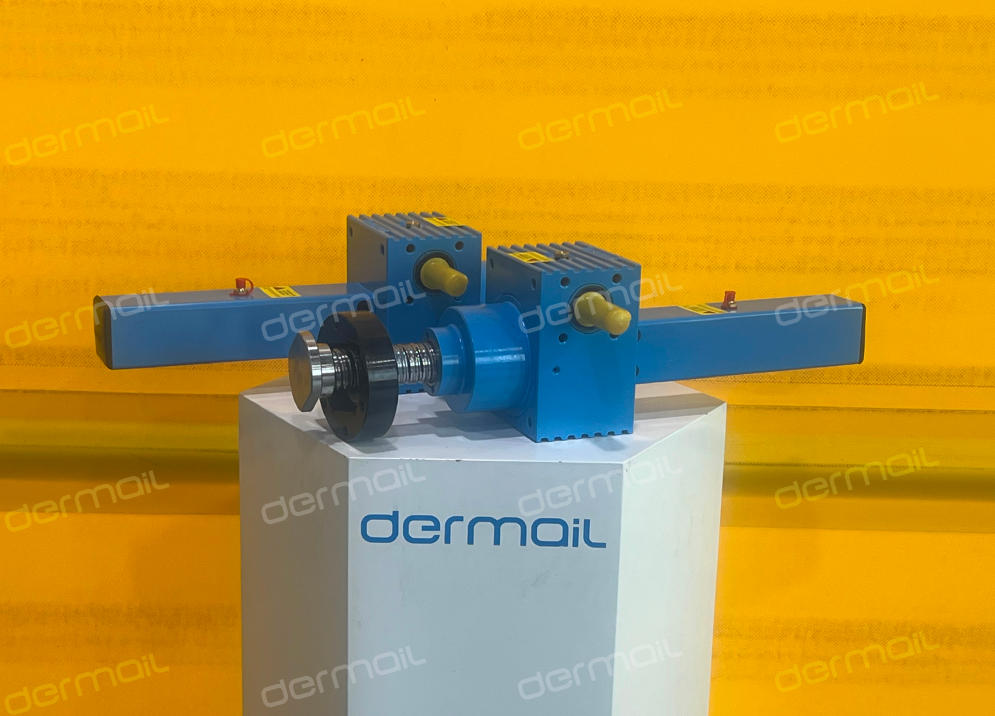
1. Unusual Noises During Operation
Symptom
When the dermail transmission screw jack is in use, you may hear grinding, squeaking, or rattling noises that are not typical of normal operation.
Possible Causes
- Lack of Lubrication: Insufficient lubrication between the screw and the nut can cause excessive friction, leading to these noises. Over time, the lack of lubrication can also accelerate wear.
- Foreign Particles: Dust, dirt, or metal shavings can get trapped between the moving parts, creating noise as they interfere with the smooth motion.
- Worn Components: Worn-out bearings, gears, or the screw-nut assembly itself can produce abnormal sounds.
Troubleshooting Steps
- Lubrication Check: First, stop the operation of the screw jack and ensure it is in a safe and stable position. Then, apply the appropriate lubricant as recommended by the manufacturer to the screw, nut, and other moving parts. Make sure to clean off any old or excess lubricant before applying the new one.
- Cleaning: If foreign particles are suspected, carefully disassemble the relevant parts of the screw jack (following the manufacturer's instructions) and clean them thoroughly. Use a soft brush or compressed air to remove dust and debris, and a suitable solvent to dissolve any stubborn dirt.
- Component Inspection: Inspect the bearings, gears, and screw-nut assembly for signs of wear, such as pitting, scoring, or excessive play. If any components are found to be worn beyond acceptable limits, replace them with genuine spare parts from the manufacturer.
2. Reduced Lifting Capacity or Slower Operation
Symptom
The screw jack is unable to lift the load to the desired height or takes much longer than usual to complete the lifting or lowering process.
Possible Causes
- Overloading: Operating the screw jack beyond its rated capacity can strain the components, leading to reduced performance.
- Screw or Nut Wear: Excessive wear on the screw thread or the nut can increase the clearance between them, reducing the mechanical advantage and thus the lifting capacity.
- Incorrect Lubrication: Using the wrong type of lubricant or applying it in insufficient quantities can increase friction, slowing down the operation.
- Mechanical Blockage: There may be an obstruction in the path of the screw or other moving parts, preventing smooth movement.
Troubleshooting Steps
- Load Verification: Check the weight of the load being lifted and ensure it is within the specified capacity of the screw jack. If the load is too heavy, reduce it or use a higher-capacity screw jack.
- Wear Inspection: Examine the screw and nut for signs of wear. Measure the thread pitch and diameter to check if they are within the manufacturer's tolerances. If significant wear is detected, replace the worn components.
- Lubrication Review: Confirm that you are using the correct lubricant for the screw jack and that it is being applied at the recommended intervals and in the right amounts. Adjust the lubrication process if necessary.
- Blockage Removal: Carefully inspect the screw jack for any mechanical blockages. Remove any obstructions that may be hindering the movement of the parts.
3. Leakage of Lubricant or Hydraulic Fluid (for Hydraulic Screw Jacks)
Symptom
You notice oil or hydraulic fluid dripping or seeping from the screw jack, which can not only create a mess but also indicate a potential problem with the seals or other components.
Possible Causes
- Worn Seals: Over time, the seals that prevent the leakage of lubricant or hydraulic fluid can deteriorate due to age, chemical exposure, or excessive pressure.
- Improper Installation: If the seals were not installed correctly during assembly or maintenance, they may not function properly, leading to leaks.
- Overpressure: Operating the screw jack at a pressure higher than its rated capacity can cause the seals to fail and result in leakage.
Troubleshooting Steps
- Seal Inspection: Carefully examine the seals for signs of wear, cracks, or damage. If any seals are found to be faulty, replace them with new ones that are compatible with the screw jack model.
- Installation Check: Review the installation process of the seals to ensure they were installed correctly according to the manufacturer's guidelines. If necessary, re-install the seals with the proper tools and techniques.
- Pressure Adjustment: Check the operating pressure of the screw jack and make sure it is within the specified limits. If the pressure is too high, adjust it to the correct level to prevent further damage to the seals.
4. Screw Jack Not Holding Position
Symptom
After lifting the load to the desired height, the screw jack fails to maintain its position and slowly lowers the load, which can be a serious safety hazard.
Possible Causes
- Brake Failure: Many screw jacks are equipped with brakes to hold the load in place. If the brake is not functioning properly, the load may descend unintentionally.
- Screw Backlash: Excessive backlash in the screw-nut assembly can cause the load to move slightly, and in some cases, lead to a gradual lowering of the load.
- External Forces: Strong external vibrations or shocks can overcome the holding capacity of the screw jack, causing it to lose position.
Troubleshooting Steps
- Brake Inspection: Check the brake mechanism for any signs of damage, wear, or malfunction. Test the brake to ensure it engages and disengages properly. If the brake is faulty, repair or replace it as needed.
- Backlash Adjustment: Measure the backlash in the screw-nut assembly and adjust it according to the manufacturer's specifications. This may involve tightening the nut or making other mechanical adjustments to reduce the clearance.
- External Force Mitigation: Identify and eliminate any external sources of vibration or shock that may be affecting the screw jack. If this is not possible, consider using additional support or stabilization devices to enhance the holding capacity of the screw jack.
In conclusion, regular maintenance and timely troubleshooting are crucial for ensuring the reliable and safe operation of screw jacks. By following these tips and referring to the manufacturer's manual, you can quickly identify and resolve common issues, extending the lifespan of your screw jacks and minimizing downtime in your operations.








Tel:+86-317-7369999
E-mail: demai@demai.org
Mobile:+86-18653450543 (Wechat)
Address:No. 6, Haihe Road, economic development zone, Wuqiao County, Cangzhou City, Hebei Province

点击右上角
分享给朋友吧
Copyright ©2023 All Rights Reserved Hebei Demai Transmission Machinery Co.,Ltd.
Copyright ©2025 All Rights Reserved Hebei Demai Transmission Machinery Co.,Ltd.
