
Daily Cleaning Guide for the Screw Part of Screw Jacks
2025-08-16 15:57:00
Click:
“
Begin by using the soft-bristled brush to carefully sweep away any loose dirt, dust, or metal shavings that have accumulated on the screw threads.
”
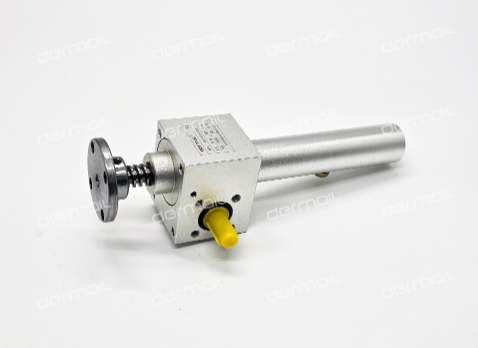
Screw jacks are essential mechanical devices widely used in various industrial and commercial applications for lifting, lowering, or positioning loads with precision. The screw, as a core component of a screw jack, plays a pivotal role in converting rotational motion into linear motion. To ensure the smooth operation, longevity, and optimal performance of the screw jack, regular and proper cleaning of the screw part is of utmost importance. This article will provide a detailed guide on how to carry out daily cleaning for the screw part of dermail transmission screw jacks.
Pre-Cleaning Preparations
Safety First
Before starting the cleaning process, it is crucial to prioritize safety. Ensure that the Screw Jack system is powered off and disconnected from any electrical or mechanical power sources to prevent accidental activation during cleaning. If the screw jack is part of a larger machine or system, follow the appropriate lockout/tagout procedures to isolate it safely. Additionally, wear appropriate personal protective equipment (PPE), such as safety glasses to protect your eyes from flying debris and gloves to safeguard your hands from sharp edges or chemicals.
Gather Cleaning Supplies
Collect all the necessary cleaning tools and materials in advance to streamline the cleaning process. You will typically need a soft-bristled brush, such as a toothbrush or a small paintbrush, to gently remove loose dirt and debris from the screw threads. A clean, lint-free cloth or rag is essential for wiping down the screw surface. For more stubborn dirt or grease, a mild degreaser or solvent may be required. However, it is important to choose a degreaser that is compatible with the materials used in the screw jack to avoid damage. A small container for holding the cleaning solution and a supply of clean water for rinsing (if necessary) should also be prepared.
Cleaning Steps
Removing Loose Debris
Begin by using the soft-bristled brush to carefully sweep away any loose dirt, dust, or metal shavings that have accumulated on the screw threads. Start from one end of the screw and work your way systematically to the other end, ensuring that you reach all the crevices and grooves between the threads. Pay special attention to areas where debris tends to collect, such as near the nut or at the base of the screw. Gently brush in a direction parallel to the screw threads to avoid damaging them.
Applying Cleaning Solution (If Needed)
If the screw is heavily soiled or has built-up grease and grime, it may be necessary to use a mild degreaser or solvent. Dilute the degreaser according to the manufacturer's instructions in the small container. Dip the clean cloth or rag into the cleaning solution and wring out any excess liquid to prevent dripping. Then, gently wipe the screw surface, focusing on the areas with stubborn dirt. Avoid applying excessive pressure, as this could scratch or deform the screw threads. For particularly dirty spots, you can let the cleaning solution sit on the surface for a short period (as recommended by the manufacturer) to help dissolve the grime before wiping it away.
Rinsing (Optional)
In some cases, after applying the cleaning solution, you may need to rinse the screw to remove any remaining residue. If the screw jack is in an environment where water exposure is acceptable and the materials are not sensitive to moisture, you can use a clean, damp cloth to gently wipe down the screw and remove the cleaning solution. Make sure to wring out the cloth thoroughly to avoid introducing excessive water into the screw jack mechanism. If water is not suitable for rinsing, you can use a dry cloth to wipe away any remaining cleaning solution residue.
Drying the Screw
After cleaning and rinsing (if applicable), it is essential to thoroughly dry the screw to prevent rust and corrosion. Use a clean, dry, lint-free cloth to wipe down the entire screw surface, ensuring that all moisture is removed. Pay close attention to the areas between the threads and around the nut, as these are more prone to retaining moisture. You can also allow the screw to air-dry for a short period in a well-ventilated area before reassembling or operating the screw jack.
Lubrication (Post-Cleaning)
Once the screw is completely dry, applying a suitable lubricant is a crucial step to ensure smooth operation and reduce wear and tear. Select a lubricant that is specifically designed for screw jacks and is compatible with the operating conditions and materials of the screw. Apply a thin, even layer of lubricant along the screw threads using a clean cloth or a lubricant applicator. Rotate the screw manually (if possible) or operate the screw jack through a few cycles to distribute the lubricant evenly throughout the threads and the nut interface.
Post-Cleaning Inspection
After completing the cleaning and lubrication process, perform a visual inspection of the screw part of the screw jack. Check for any signs of damage, such as cracks, chips, or excessive wear on the screw threads. Ensure that the nut moves smoothly along the screw without any binding or unusual noises. If you notice any abnormalities during the inspection, it is advisable to consult the manufacturer's manual or seek professional assistance to diagnose and address the issue promptly.
Regular Maintenance Schedule
In addition to daily cleaning, it is important to establish a regular maintenance schedule for the screw jack, including more in-depth inspections and servicing at recommended intervals. The frequency of these maintenance tasks will depend on factors such as the operating environment, load capacity, and usage frequency of the screw jack. By following a comprehensive maintenance plan that includes daily cleaning as a fundamental step, you can maximize the lifespan and performance of your screw jack, minimize downtime, and ensure safe and reliable operation in your industrial or commercial applications.
In conclusion, daily cleaning of the screw part of screw jacks is a simple yet vital task that requires attention to detail and adherence to proper procedures. By incorporating these cleaning steps into your regular maintenance routine, you can protect the screw from premature wear, corrosion, and other potential issues, thereby maintaining the overall efficiency and functionality of the screw jack system.








Tel:+86-317-7369999
E-mail: demai@demai.org
Mobile:+86-18653450543 (Wechat)
Address:No. 6, Haihe Road, economic development zone, Wuqiao County, Cangzhou City, Hebei Province

点击右上角
分享给朋友吧
Copyright ©2023 All Rights Reserved Hebei Demai Transmission Machinery Co.,Ltd.
Copyright ©2025 All Rights Reserved Hebei Demai Transmission Machinery Co.,Ltd.
