
Factors Contributing to Failures in Screw Jack Systems ?
2025-07-31 10:17:44
Click:
“
Screw jacks, also known as worm gear screw jacks, are critical mechanical device
”
Screw jacks, also known as worm gear screw jacks, are critical mechanical devices widely used in industrial machinery, construction equipment, and automation systems for lifting, lowering, or positioning loads. Despite their robust design, these systems are susceptible to failures caused by a combination of mechanical, environmental, and operational factors. Understanding these contributors is essential for optimizing performance and extending service life.
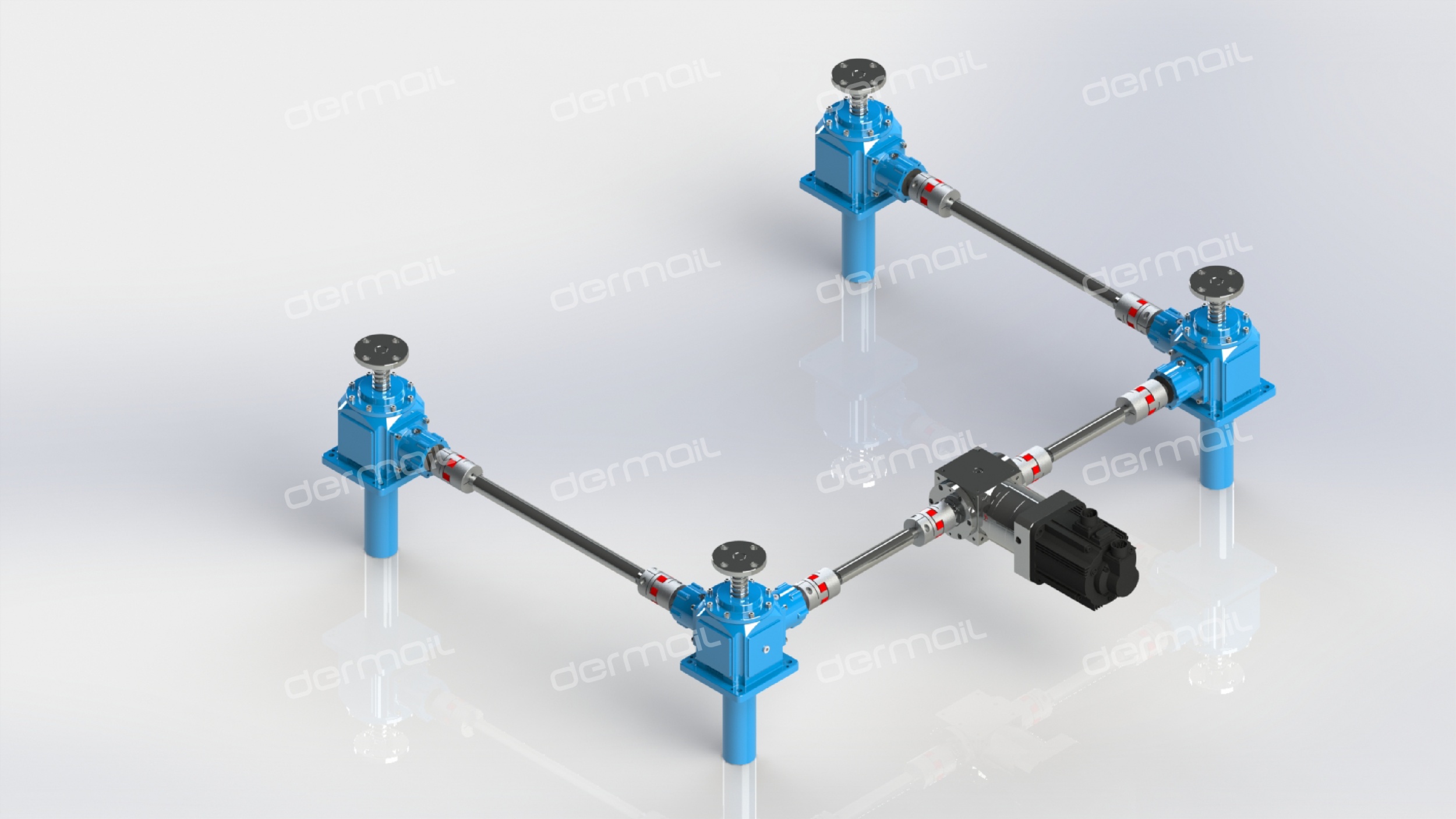
1. Wear and Tear of Mechanical Components
The core components of a dermail transmission screw jack—including the worm gear, thrust screw (lead screw), bearings, and housing—are prone to gradual degradation due to friction and repeated stress. For instance:
- Worm Gear and Lead Screw Wear: Continuous operation generates heat and friction, leading to surface erosion. This is exacerbated by inadequate lubrication or the use of low-quality lubricants, which accelerate abrasion and reduce efficiency.
- Bearing Failure: Bearings support the rotational motion of the screw. Contamination from dust or debris, combined with insufficient lubrication, can cause overheating, pitting, or seizure, disrupting smooth operation.
- Housing Damage: Corrosion or physical impacts to the housing may misalign internal components, increasing stress on the screw and gear assembly.
2. Environmental and External Conditions
Harsh operating environments pose significant risks:
- Corrosion: Exposure to moisture, chemicals, or salt (e.g., in marine or chemical processing industries) can corrode metal parts, weakening structural integrity and causing sudden failures.
- Contamination: Dust, dirt, or metal shavings infiltrating the system may clog gears or abrade surfaces, leading to premature wear.
- Temperature Extremes: High temperatures degrade lubricants and expand materials, while cold conditions can make components brittle, increasing fracture risks.
3. Overloading and Misapplication
Screw jacks are designed for specific load capacities. Exceeding these limits—whether due to incorrect selection or operational errors—can result in:
- Screw Buckling: Axial loads beyond the screw’s critical load threshold may cause it to bend or deform permanently.
- Gear Tooth Fracture: Excessive torque from overloading can shear gear teeth or crack the worm shaft.
- System Instability: Uneven load distribution or side forces (e.g., from misaligned platforms) introduce lateral stress, accelerating wear on bearings and screws.
4. Poor Maintenance Practices
Neglecting routine maintenance is a leading cause of failures:
- Inadequate Lubrication: Insufficient or incorrect lubrication increases friction, leading to overheating and component failure. For example, grease incompatible with operating temperatures may solidify or separate, losing its protective properties.
- Lack of Inspections: Regular checks for leaks, unusual noises, or vibrations can identify early signs of wear. Without these, minor issues escalate into catastrophic failures.
- Improper Storage: Prolonged inactivity without proper preservation (e.g., rust inhibitors) can cause corrosion or lubricant degradation, compromising performance when restarted.
5. Design and Manufacturing Flaws
Deficiencies in the initial design or production process may predispose systems to failure:
- Material Selection: Using low-grade metals or alloys that cannot withstand operational stresses (e.g., high loads or vibrations) leads to rapid deterioration.
- Imprecise Machining: Poorly manufactured gears or screws with incorrect thread profiles or tolerances create uneven load distribution, causing localized stress and fatigue.
- Inadequate Sealing: Insufficient protection against contaminants (e.g., missing gaskets or seals) allows debris to enter critical areas, accelerating wear.
Conclusion
The reliability of screw jack systems hinges on addressing these multifaceted risk factors. Proactive measures—such as selecting appropriate materials, adhering to load limits, implementing rigorous maintenance schedules, and protecting against environmental hazards—are vital to minimizing downtime and ensuring safe operation. By prioritizing these strategies, industries can enhance the longevity and efficiency of screw jacks, even in demanding applications.








Tel:+86-317-7369999
E-mail: demai@demai.org
Mobile:+86-18653450543 (Wechat)
Address:No. 6, Haihe Road, economic development zone, Wuqiao County, Cangzhou City, Hebei Province

点击右上角
分享给朋友吧
Copyright ©2023 All Rights Reserved Hebei Demai Transmission Machinery Co.,Ltd.
Copyright ©2025 All Rights Reserved Hebei Demai Transmission Machinery Co.,Ltd.
