
Common causes of surface wear of screw rod in screw Jack
2025-06-26 13:58:15
Click:
“
AbstractScrew jacks convert rotational motion into linear motion but are prone t
”
Abstract
Screw jacks convert rotational motion into linear motion but are prone to screw surface wear, affecting performance and lifespan. This article identifies wear causes and proposes preventive strategies.
Introduction
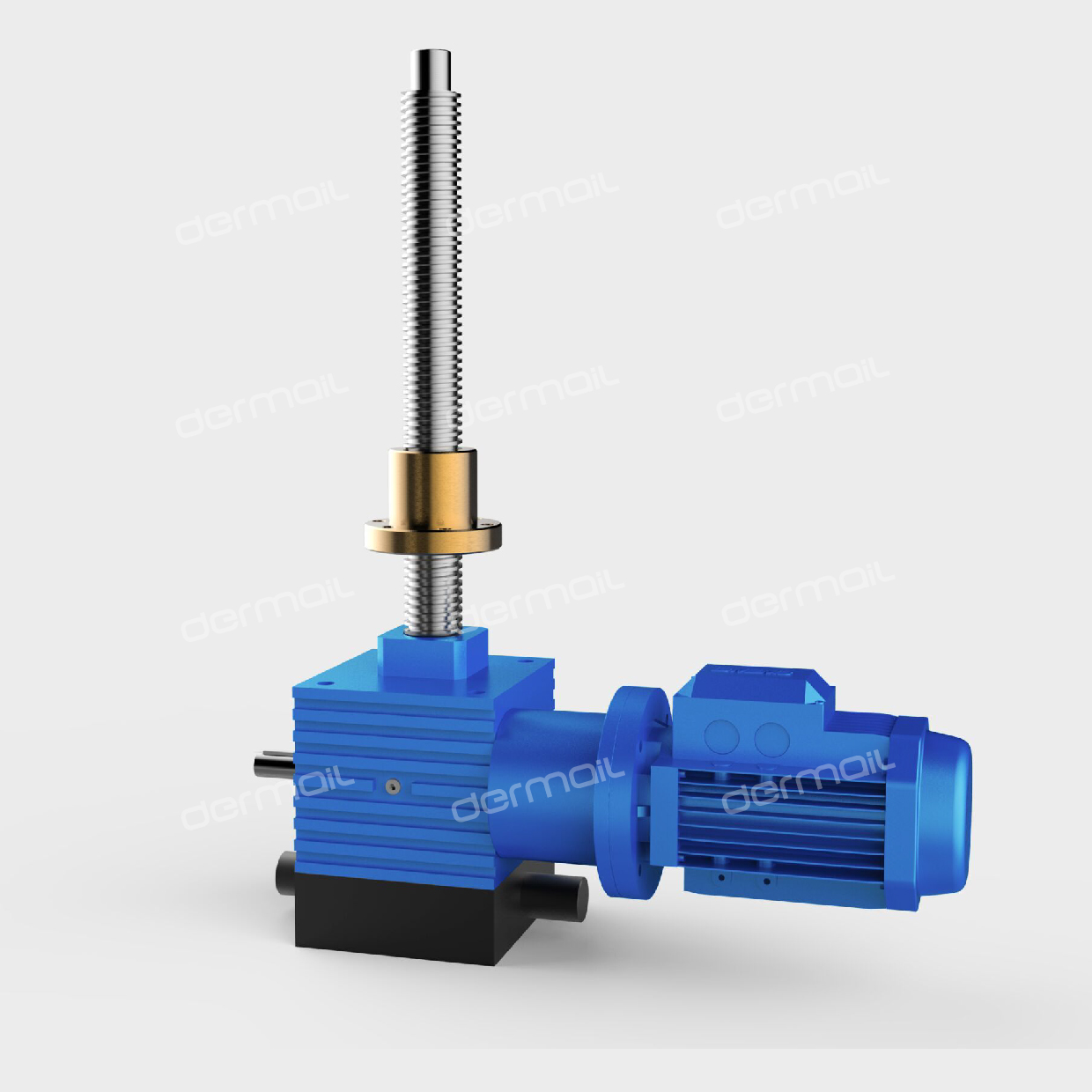
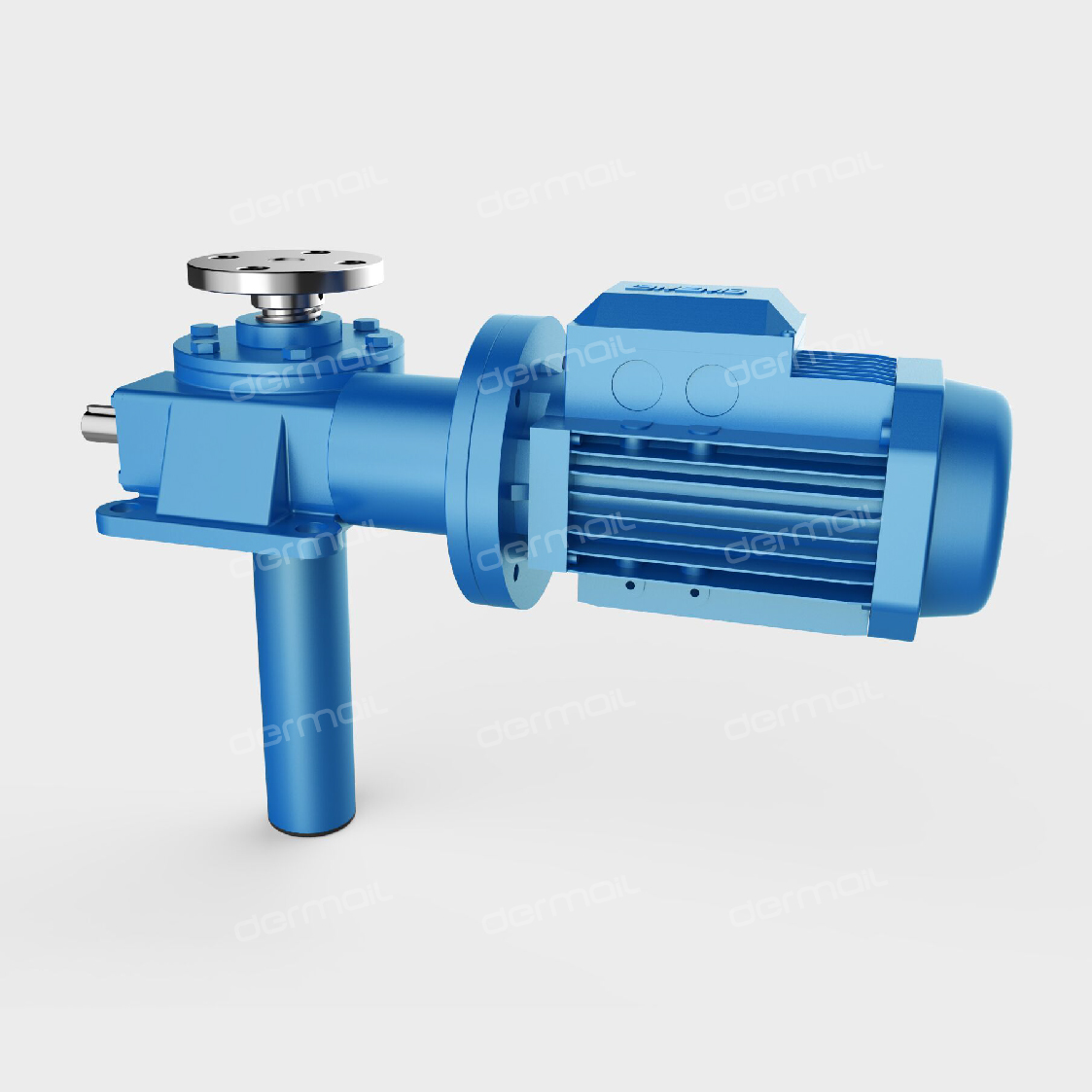
Screw jacks(Ball Screw Jacks) are critical in industrial applications, yet screw thread wear is common due to friction, load, and environmental factors. Addressing wear causes and implementing preventive measures is vital for durability.
Common Causes of Screw Surface Wear
- Inadequate Lubrication
- Insufficient lubrication increases friction, accelerating thread wear and potential seizure.
- Overloading
- Exceeding rated loads stresses the screw, causing deformation, fatigue, and premature wear.
- Misalignment
- Poor alignment between screw and nut leads to uneven load distribution, localized stress, and accelerated wear.
- Contamination
- Foreign particles (dust, debris) act as abrasives, scratching and eroding thread surfaces.
- Corrosion
- Corrosive environments (humidity, chemicals) cause rust, weakening the screw and accelerating wear.
- Material Fatigue
- Cyclic loading induces microscopic cracks, propagating over time and leading to thread failure.
- Poor Quality Materials/Defects
- Low-quality materials or manufacturing flaws (improper heat treatment) reduce wear resistance.
Preventive Measures
- Proper Lubrication
- Establish a regular lubrication schedule using high-quality, application-specific lubricants.
- Load Management
- Avoid overloading; use load monitoring tools and distribute loads evenly across multiple screws if necessary.
- Alignment and Installation
- Follow manufacturer guidelines for precise installation; conduct periodic inspections to detect and correct misalignment.
- Contamination Control
- Install seals or bellows; use protective covers and regularly clean the screw jack to prevent debris accumulation.
- Corrosion Prevention
- Choose corrosion-resistant materials (stainless steel) or apply protective coatings (zinc plating) in harsh environments.
- Fatigue Management
- Design systems to minimize cyclic loading; inspect threads regularly for cracks or deformation and replace worn screws promptly.
- Quality Assurance
- Use high-quality materials; ensure screws meet industry standards and undergo proper quality control (heat treatment, testing).
Conclusion
Screw surface wear in screw jacks is a prevalent issue, but understanding its causes allows for effective prevention. By implementing measures such as proper lubrication, load control, alignment, contamination prevention, corrosion resistance, fatigue management, and quality assurance, the reliability and lifespan of screw jacks can be significantly improved, ensuring optimal performance in diverse applications.
Thank you for reading this article. If you are interested in our products, please feel free to contact us at Demai Transmission. We will serve you wholeheartedly.








Tel:+86-317-7369999
E-mail: demai@demai.org
Mobile:+86-18653450543 (Wechat)
Address:No. 6, Haihe Road, economic development zone, Wuqiao County, Cangzhou City, Hebei Province

点击右上角
分享给朋友吧
Copyright ©2023 All Rights Reserved Hebei Demai Transmission Machinery Co.,Ltd.
Copyright ©2025 All Rights Reserved Hebei Demai Transmission Machinery Co.,Ltd.
