
Maintenance and Care Guide for Screw Jacks
2025-06-25 09:25:26
Click:
“
Screw jacks are essential mechanical devices used in a wide range of industries for lifting, lowering, and positioning heavy loads with precision. To ensure their long-term reliability, optimal performance, and safety, regular maintenance and proper care are crucial. This article provides a comprehensive guide on how to maintain and care for screw jacks.
”
Screw jacks are essential mechanical devices used in a wide range of industries for lifting, lowering, and positioning heavy loads with precision. To ensure their long-term reliability, optimal performance, and safety, regular maintenance and proper care are crucial. This article provides a comprehensive guide on how to maintain and care for screw jacks.
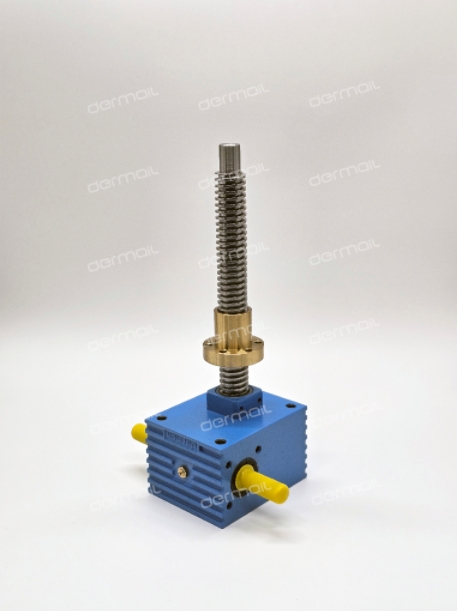
1. Regular Inspection
1.1 Visual Inspection
- Frequency: Conduct a visual inspection of the screw jack at least once a month, or more frequently if it operates in harsh or demanding environments.
- What to Check:
- External Components: Look for signs of damage, such as cracks, dents, or corrosion on the housing, screw, nut, and other external parts. Pay particular attention to the areas around joints and connections.
- Leaks: Check for any signs of oil or hydraulic fluid leaks, especially if the screw jack is equipped with a lubrication or hydraulic system. Leaks can indicate worn seals or damaged components that need immediate attention.
- Alignment: Ensure that the screw jack is properly aligned with the load and the supporting structure. Misalignment can cause excessive wear and tear on the components and affect the lifting accuracy.
1.2 Functional Inspection
- Frequency: Perform a functional inspection every three to six months, depending on the usage frequency.
- What to Do:
- Operation Test: Operate the screw jack through its full range of motion, both lifting and lowering the load. Listen for any unusual noises, such as grinding, clicking, or excessive vibration, which could indicate internal problems.
- Load Testing: If possible, conduct a load test with a representative load to verify that the screw jack can lift and hold the load safely and without excessive strain. Monitor the performance and check for any signs of instability or overheating.
2. Lubrication
2.1 Importance of Lubrication
Proper lubrication is vital for reducing friction, minimizing wear, and preventing corrosion in screw jacks. It helps to ensure smooth operation, extend the service life of the components, and maintain the lifting accuracy.
2.2 Lubrication Schedule
- Follow Manufacturer's Recommendations: Always refer to the manufacturer's instructions for the specific lubrication requirements of your screw jack model. Different types of screw jacks, such as ball screw jacks and trapezoidal screw jacks, may have different lubrication needs.
- General Guidelines: In the absence of specific manufacturer recommendations, a general guideline is to lubricate the screw jack every 500 to 1000 operating hours or at least once every six months, whichever comes first. However, in high-temperature, high-dust, or high-load applications, more frequent lubrication may be necessary.
2.3 Lubricant Selection
- Type of Lubricant: Choose a high-quality lubricant that is suitable for the operating conditions of the screw jack. For most applications, a grease with good anti-wear, anti-corrosion, and high-temperature properties is recommended. In some cases, oil lubrication may be more appropriate, especially for high-speed screw jacks.
- Consistency: The consistency of the lubricant should match the operating temperature and speed of the screw jack. Thicker greases are suitable for lower speeds and higher temperatures, while thinner greases or oils are better for higher speeds and lower temperatures.
2.4 Lubrication Procedure
- Clean the Components: Before applying lubricant, clean the screw, nut, and other relevant components thoroughly to remove any dirt, debris, or old lubricant. Use a clean cloth or a suitable cleaning solvent.
- Apply Lubricant: Apply the lubricant evenly to the screw thread and the nut. For grease lubrication, use a grease gun to inject the grease into the designated lubrication points. For oil lubrication, ensure that the oil level in the reservoir is maintained within the recommended range.
- Avoid Over-Lubrication: Be careful not to over-lubricate the screw jack, as excess lubricant can attract dirt and debris, leading to increased wear and potential malfunctions. Follow the manufacturer's recommendations regarding the amount of lubricant to be applied.
3. Cleaning
3.1 Regular Cleaning
- Frequency: Clean the screw jack regularly to remove dust, dirt, and other contaminants that can accumulate on the external surfaces and inside the housing. The frequency of cleaning depends on the operating environment, but it is generally recommended to clean the screw jack at least once a month.
- Cleaning Method: Use a soft brush, compressed air, or a vacuum cleaner to remove loose dirt and debris from the external surfaces. For more stubborn dirt or grease, use a mild detergent and water solution and a clean cloth to wipe down the components. Avoid using harsh chemicals or abrasive cleaners, as they can damage the surface finish and the seals.
3.2 Cleaning of Internal Components
- Disassembly (if Necessary): In some cases, it may be necessary to disassemble the screw jack to clean the internal components thoroughly. This should only be done by qualified personnel who are familiar with the screw jack's design and operation.
- Cleaning Internal Parts: When disassembling the screw jack, clean all the internal components, including the screw, nut, bearings, and gears, using a suitable cleaning solvent. Ensure that all traces of dirt, old lubricant, and contaminants are removed. After cleaning, dry the components thoroughly before reassembly.
4. Component Replacement
4.1 Identifying Worn Components
During regular inspections, if you notice any signs of excessive wear, damage, or deterioration on the components of the screw jack, such as worn screw threads, damaged nuts, or worn bearings, it is important to replace them promptly. Ignoring worn components can lead to further damage, reduced performance, and even safety hazards.
4.2 Replacement Procedure
- Use Genuine Parts: Always use genuine replacement parts that are specifically designed for your screw jack model. Genuine parts ensure compatibility, performance, and reliability.
- Follow Manufacturer's Instructions: Refer to the manufacturer's instructions or service manual for the correct procedure for replacing the worn components. This may involve disassembling the screw jack, removing the old components, installing the new ones, and reassembling the unit. If you are not familiar with the replacement procedure, it is recommended to seek the assistance of a qualified technician.
5. Storage
5.1 Proper Storage Conditions
If the screw jack is not in use for an extended period, it should be stored properly to prevent damage and deterioration. Store the screw jack in a dry, clean, and well-ventilated area, away from direct sunlight, moisture, and extreme temperatures.
5.2 Pre-Storage Preparation
- Clean and Lubricate: Before storing the screw jack, clean it thoroughly and apply a light coat of lubricant to the screw, nut, and other moving parts to prevent corrosion.
- Protect the Components: Cover the screw jack with a protective cover or wrap it in a plastic sheet to protect it from dust and debris. If possible, store the screw jack in its original packaging or a dedicated storage container.
By following these maintenance and care guidelines, you can ensure that your screw jacks operate reliably, efficiently, and safely for many years to come. Regular maintenance not only extends the service life of the screw jacks but also helps to reduce downtime, maintenance costs, and the risk of accidents. If you have any doubts or concerns about the maintenance of your screw jacks, do not hesitate to consult the manufacturer or a qualified professional.
Thank you for your interest in Demei Transmission. If you have any other questions about screw jacks, please feel free to contact us at any time. Our technical engineers will be more than happy to assist you.








Tel:+86-317-7369999
E-mail: demai@demai.org
Mobile:+86-18653450543 (Wechat)
Address:No. 6, Haihe Road, economic development zone, Wuqiao County, Cangzhou City, Hebei Province

点击右上角
分享给朋友吧
Copyright ©2023 All Rights Reserved Hebei Demai Transmission Machinery Co.,Ltd.
Copyright ©2025 All Rights Reserved Hebei Demai Transmission Machinery Co.,Ltd.
