
How to Lubricate Components of Screw Jack Systems
2026-04-22 16:55:31
Click:
“
Screw jack systems, widely used in industrial machinery, material handling, and
”
Screw jack systems, widely used in industrial machinery, material handling, and automation, rely on precise lubrication to ensure smooth operation, reduce wear, and extend service life. Proper lubrication minimizes friction between moving parts, dissipates heat, and prevents corrosion, especially under high-load or continuous-duty conditions. This article outlines a systematic approach to lubricating key components of screw jack systems.
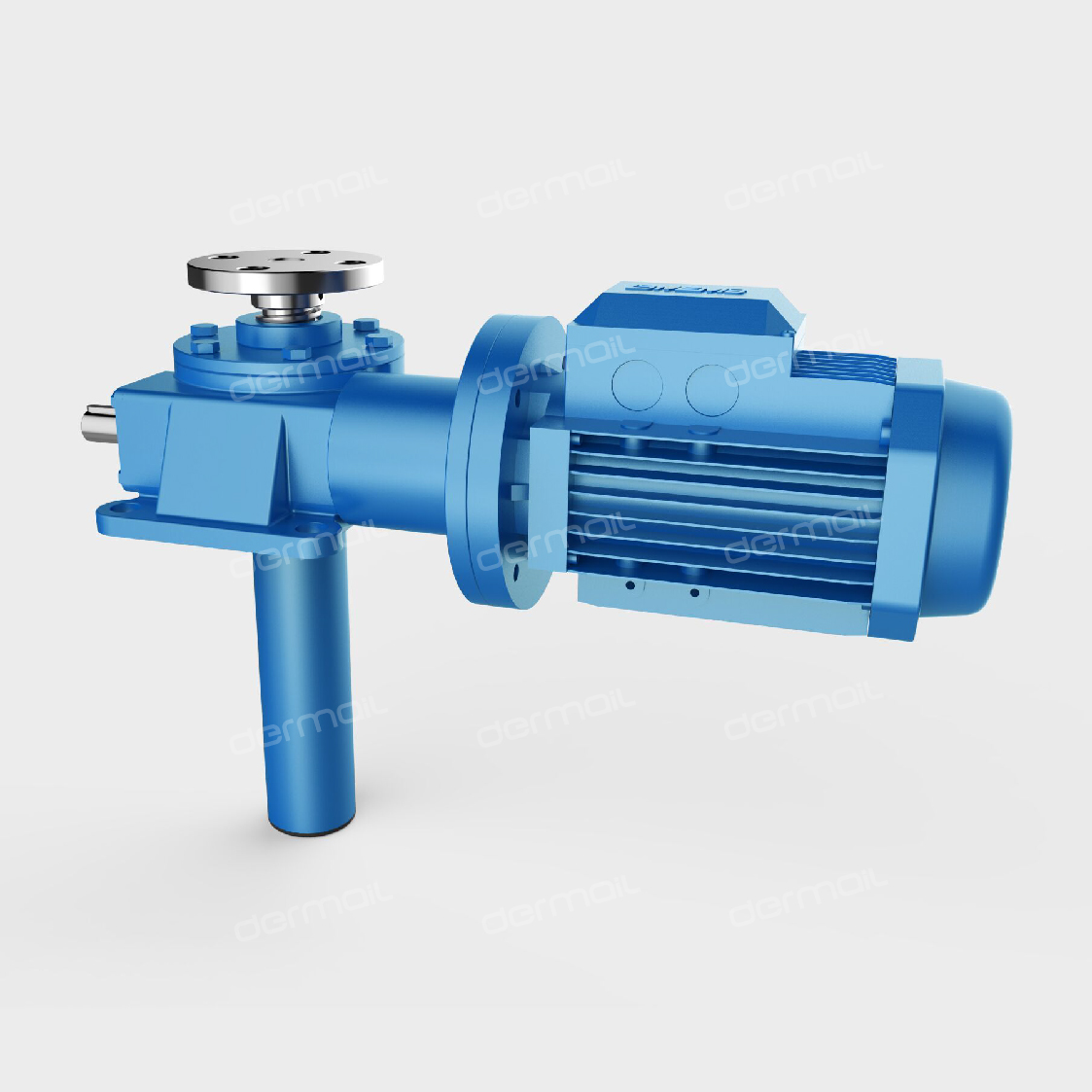
1. Understanding Critical Components
Before lubrication, identify the core parts requiring maintenance:
- Screw (Lead Screw): The primary load-bearing component, prone to wear due to metal-to-metal contact.
- Nut (Worm Gear or Ball Nut): Engages with the screw to convert rotary motion into linear motion.
- Bearings: Support the screw shaft, reducing rotational friction.
- Gears (if applicable): Transmit torque in motorized screw jacks.
- Seals and Gaskets: Prevent contaminants from entering lubricated areas.
2. Selecting the Right Lubricant
The choice of lubricant depends on operating conditions:
- Grease: Preferred for most dermail transmission screw jacks due to its adhesion and longevity.
- Lithium-based grease: Suitable for general-purpose applications (temperature range: -20°C to 120°C).
- Synthetic grease (e.g., polyurea): Ideal for high-speed or extreme-temperature environments (-40°C to 150°C).
- EP (Extreme Pressure) grease: Contains additives like molybdenum disulfide (MoS₂) for heavy-load or shock-loading scenarios.
- Oil: Used in oil-immersed or circulating systems for high-speed or high-temperature applications.
- Mineral oil: Cost-effective for moderate conditions.
- Synthetic oil (e.g., PAO): Offers superior thermal stability and oxidation resistance.
Key Considerations:
- Avoid mixing incompatible lubricants (e.g., grease with oil).
- For food-grade or cleanroom applications, select NSF-certified or non-toxic lubricants.
- Consult the manufacturer’s specifications for compatibility with materials like stainless steel or plastics.
3. Lubrication Frequency and Method
A. Initial Lubrication
- New screw jacks or after major maintenance: Apply lubricant during assembly to ensure full coverage.
- Run the system briefly to distribute the lubricant evenly before full-load operation.
B. Periodic Maintenance
- Visual Inspection: Check for dryness, discoloration, or contamination every 1–3 months (or more frequently under harsh conditions).
- Relubrication Schedule:
- Light-duty applications (e.g., manual adjustment): Every 6–12 months.
- Heavy-duty or continuous operation: Every 1–3 months.
- Dusty/humid environments: Shorten intervals by 50%.
C. Lubrication Techniques
- Screw and Nut:
- Clean old grease with a lint-free cloth or solvent (if permitted).
- Apply a thin, even layer of grease along the screw’s length using a brush or automated lubrication system.
- For ball screws, focus on the ball track to ensure smooth rolling.
- Bearings:
- Use a grease gun to inject grease into fittings until fresh lubricant appears at seals.
- Avoid over-packing to prevent churning losses.
- Gears:
- Apply gear oil or EP grease to tooth flanks during shutdown periods.
- Seals:
- Lightly lubricate lip seals with compatible grease to reduce friction and extend lifespan.
- Lightly lubricate lip seals with compatible grease to reduce friction and extend lifespan.
4. Common Pitfalls to Avoid
- Over-lubrication: Excess grease can attract dust, form abrasive pastes, or cause leaks.
- Under-lubrication: Leads to accelerated wear, noise, and potential seizure under load.
- Using Wrong Lubricants: May degrade seals, corrode components, or fail under extreme temperatures.
- Neglecting Environmental Factors: High humidity, chemicals, or extreme temperatures necessitate specialized lubricants.
5. Advanced Tips for Longevity
- Automated Lubrication Systems: Install timed dispensers for critical applications to ensure consistent lubrication.
- Temperature Monitoring: Use infrared thermometers to detect overheating due to inadequate lubrication.
- Vibration Analysis: Sudden increases in noise or vibration may indicate lubrication failure.
- Training: Educate maintenance teams on proper lubrication techniques and safety protocols (e.g., lockout/tagout during servicing).
Conclusion
Effective lubrication is a cornerstone of screw jack reliability. By selecting the right lubricant, adhering to a preventive maintenance schedule, and avoiding common mistakes, operators can maximize uptime, reduce downtime costs, and ensure safe operation. Always refer to the manufacturer’s guidelines and adapt practices to your specific application’s demands.








Tel:+86-317-7369999
E-mail: demai@demai.org
Mobile:+86-18653450543 (Wechat)
Address:No. 6, Haihe Road, economic development zone, Wuqiao County, Cangzhou City, Hebei Province

点击右上角
分享给朋友吧
Copyright ©2023 All Rights Reserved Hebei Demai Transmission Machinery Co.,Ltd.
Copyright ©2025 All Rights Reserved Hebei Demai Transmission Machinery Co.,Ltd.
