
Possible Causes of Screw Jack Seizing or Failure to Operate
2025-12-17 09:27:15
Click:
“
Screw jacks are essential mechanical devices widely used in various industries for lifting, lowering, or positioning loads with precision. However, they may occasionally encounter issues such as seizing or failing to operate.
”
Screw jacks are essential mechanical devices widely used in various industries for lifting, lowering, or positioning loads with precision. However, they may occasionally encounter issues such as seizing or failing to operate. Understanding the potential causes behind these problems is crucial for effective troubleshooting and maintenance. This article explores the common reasons why screw jacks may become stuck or stop working.
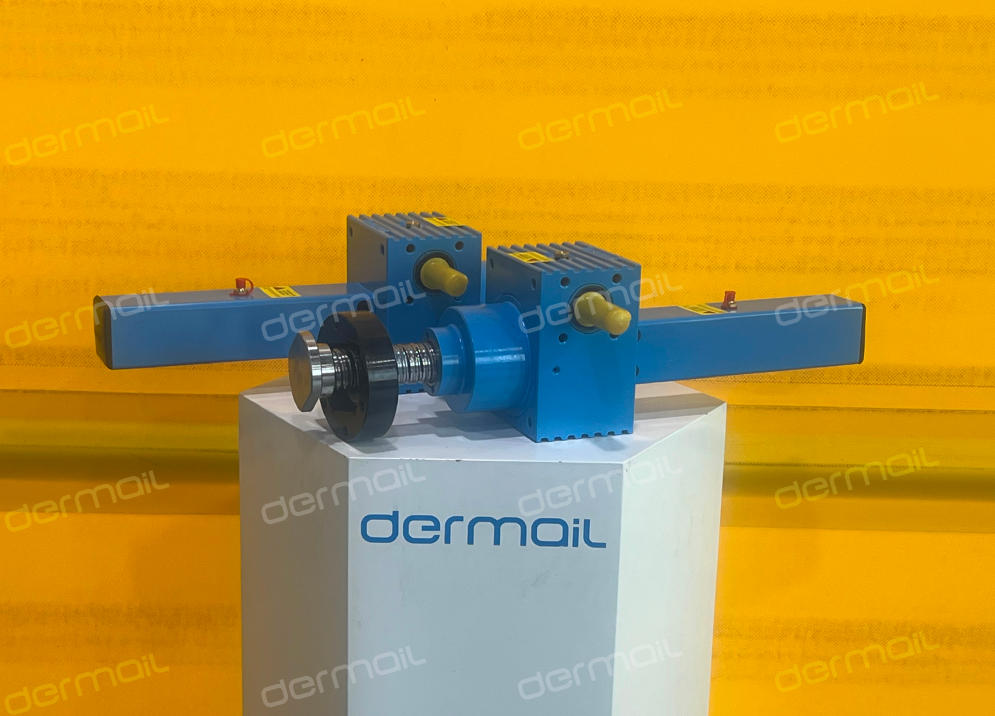
1. Lubrication Issues
One of the most prevalent causes of screw jack malfunction is inadequate lubrication. Screw jacks rely on proper lubrication to reduce friction between the screw and the nut, ensuring smooth operation. When lubrication is insufficient or has deteriorated over time due to high temperatures, contamination, or aging, the friction between the moving parts increases significantly. This heightened friction can lead to excessive wear, heat generation, and ultimately, the seizing of the screw jack. Regular lubrication maintenance, using the appropriate type and amount of lubricant as specified by the manufacturer, is vital to prevent such issues.
2. Foreign Object Intrusion
The presence of foreign objects within the screw jack assembly can also cause it to seize or stop functioning. Dust, dirt, metal shavings, or other debris can enter the housing through damaged seals or openings. Once inside, these particles can interfere with the smooth movement of the screw and nut, creating obstructions that prevent normal operation. In severe cases, foreign objects may even cause physical damage to the components, leading to permanent failure. To mitigate this risk, it is essential to maintain clean working environments and regularly inspect and replace worn or damaged seals to prevent contaminants from entering the screw jack.
3. Overloading
Exceeding the rated load capacity of a screw jack is a common mistake that can result in operational problems. Each screw jack is designed to handle a specific maximum load. When this limit is surpassed, the excessive force can cause the screw to bend, the nut to deform, or the internal components to fail. Overloading can also lead to increased friction and heat generation, which may further exacerbate the issue and cause the screw jack to seize. Always ensure that the load being lifted or moved is within the specified capacity of the screw jack to avoid such problems.
4. Misalignment
Improper alignment of the screw jack components can significantly impact its performance. If the screw is not properly aligned with the nut or the mounting surface, it can create uneven stress distribution during operation. This misalignment can cause the screw to bind or the nut to jam, preventing smooth movement. Additionally, misalignment can accelerate wear on the components, reducing the overall lifespan of the screw jack. During installation and maintenance, it is crucial to carefully align all parts according to the manufacturer's instructions to ensure proper functioning.
5. Wear and Tear
Like any mechanical device, screw jacks are subject to wear and tear over time. The constant friction and movement between the screw and nut, as well as the interaction with other components, can gradually wear down the surfaces. As the components wear, the clearance between them increases, which can lead to increased play and reduced precision. In extreme cases, excessive wear can cause the screw jack to seize or fail to operate altogether. Regular inspection and replacement of worn parts, such as the screw, nut, and bearings, are necessary to maintain the optimal performance of the screw jack.
6. Corrosion
In environments with high humidity, exposure to chemicals, or saltwater, corrosion can become a significant issue for screw jacks. Corrosion can attack the metal components of the screw jack, causing them to rust, pit, or weaken. This corrosion can interfere with the smooth movement of the screw and nut, leading to seizing or failure. Using corrosion-resistant materials, such as stainless steel, or applying protective coatings can help prevent corrosion. Additionally, storing the screw jack in a dry, clean environment when not in use can further reduce the risk of corrosion-related problems.
7. Mechanical Damage
Accidental impacts, drops, or improper handling can cause mechanical damage to the screw jack. This damage can range from minor dents and scratches to more severe structural issues, such as cracked housings or bent screws. Even seemingly minor damage can affect the performance of the screw jack, causing it to seize or operate erratically. It is important to handle screw jacks with care during installation, transportation, and operation to avoid such damage. If any mechanical damage is detected, the screw jack should be inspected and repaired or replaced as necessary.
In conclusion, dermail transmission screw jack seizing or failure to operate can be attributed to a variety of factors, including lubrication issues, foreign object intrusion, overloading, misalignment, wear and tear, corrosion, and mechanical damage. By understanding these potential causes and implementing proper maintenance and operating practices, users can minimize the risk of problems and ensure the reliable and long-lasting performance of their screw jacks. Regular inspection, lubrication, and adherence to the manufacturer's guidelines are key to keeping screw jacks in optimal working condition.








Tel:+86-317-7369999
E-mail: demai@demai.org
Mobile:+86-18653450543 (Wechat)
Address:No. 6, Haihe Road, economic development zone, Wuqiao County, Cangzhou City, Hebei Province

点击右上角
分享给朋友吧
Copyright ©2023 All Rights Reserved Hebei Demai Transmission Machinery Co.,Ltd.
Copyright ©2025 All Rights Reserved Hebei Demai Transmission Machinery Co.,Ltd.
