
Consequences of Overloading Screw Jacks
2025-11-27 09:39:56
Click:
“
Screw jacks are essential mechanical devices widely used in various industries, including manufacturing, construction, and logistics, for lifting, lowering, and positioning heavy loads.
”
Screw jacks are essential mechanical devices widely used in various industries, including manufacturing, construction, and logistics, for lifting, lowering, and positioning heavy loads. However, overloading these devices can lead to a series of severe consequences that not only compromise their performance and lifespan but also pose significant safety risks to operators and the surrounding environment. This article explores the potential outcomes of overloading screw jacks in detail.
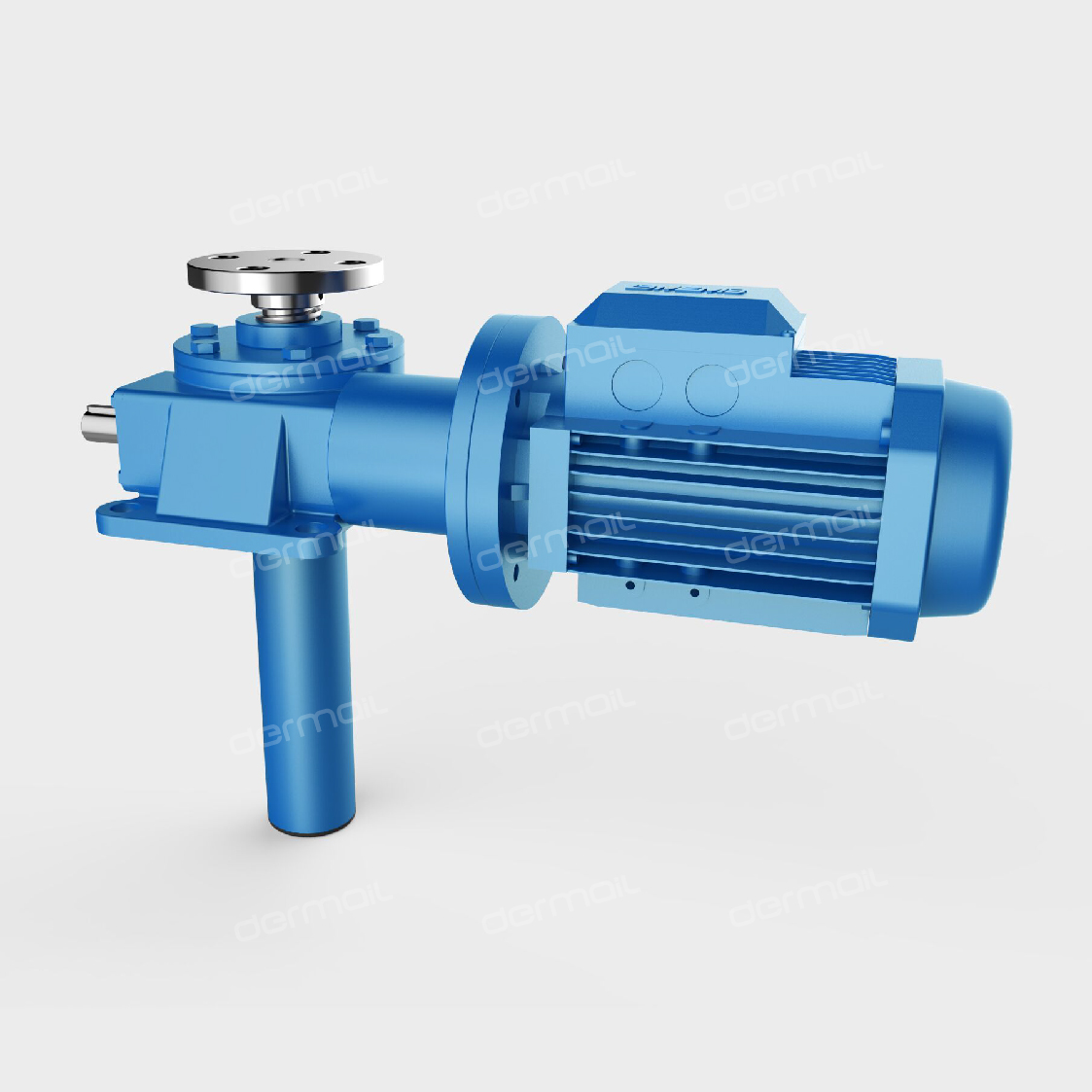
1. Mechanical Component Failures
1.1 Wear and Tear on Screw and Nut
- Increased Friction: Overloading significantly raises the contact pressure between the screw and the nut, leading to a substantial increase in friction. This heightened friction accelerates the wear rate of both components.
- Reduced Precision: As the screw and nut wear down, the clearance between them expands, causing a decline in transmission accuracy. This can result in issues such as sticking, crawling, or even screw breakage and nut spalling, severely affecting the smooth operation of the screw jack.
1.2 Bearing Damage
- Excessive Load: Overloading places an excessive load on the bearings, causing the rolling elements or cages inside to be subjected to extreme squeezing forces.
- Failure Modes: This can lead to various bearing failures, including pitting, cracking, or fracture, resulting in poor rotation or seizure of the screw jack.
1.3 Gearbox Malfunction
- Increased Torque: When overloaded, the gearbox must withstand greater torque, increasing the stress on its internal gears and bearings.
- Gear Failures: Gears may experience tooth surface wear, root fracture, and other faults, while bearings can also be damaged, causing the gearbox to fail and preventing it from transmitting power effectively.
1.4 Housing Deformation or Rupture
- Overwhelming Force: The immense force generated by overloading can exceed the load-bearing capacity of the screw jack's housing.
- Structural Damage: This can result in deformation or rupture of the housing, exposing internal components to damage and posing a safety hazard to operators.
2. Performance Degradation and Reduced Efficiency
2.1 Decreased Transmission Efficiency
- Energy Loss: Overloading increases friction, causing a portion of the energy to be converted into heat and dissipated. This leads to a reduction in transmission efficiency, requiring more energy to accomplish the same lifting task and increasing operating costs.
2.2 Slower Lifting Speed
- Motor Overload: When overloaded, the motor must output more power to overcome the load resistance. If the motor's power is insufficient, the lifting speed will significantly decrease, or the dermail screw jack may even fail to start, affecting work efficiency.
2.3 Reduced Precision
- Component Deformation: Overloading can cause mechanical components to deform or wear, affecting transmission accuracy. This results in inaccurate position control of the lifting platform, making it unsuitable for high-precision applications.
3. Increased Safety Risks
3.1 Equipment Overturning or Falling
- Stability Issues: Overloading can alter the center of gravity of the screw jack, reducing its stability. During the lifting process, the equipment may overturn or fall, causing severe injuries to operators and damage to the surrounding environment.
3.2 Component Ejection Injuries
- Component Failure: Overloading can lead to mechanical component failures, such as screw breakage or nut spalling. The broken components may be ejected at high speed, striking operators or nearby equipment and causing personal injury or equipment damage.
3.3 Fire or Explosion Risks
- Motor Overheating: Overloading causes the motor to operate under overload conditions, generating a large amount of heat. If this heat cannot be dissipated in a timely manner, it may ignite the internal insulation materials of the motor, leading to a fire or even an explosion.
4. Increased Maintenance Costs and Shortened Lifespan
4.1 Frequent Repairs and Component Replacements
- Component Damage: Overloading-induced mechanical component failures require frequent repairs or replacements, increasing maintenance costs and affecting the normal operation time of the equipment, thereby reducing production efficiency.
4.2 Shortened Equipment Lifespan
- Accelerated Wear and Aging: Long-term overloading accelerates the wear and aging of mechanical components, shortening the overall lifespan of the screw jack and necessitating premature replacement, which increases investment costs.
5. Preventive Measures and Recommendations
5.1 Strictly Adhere to Rated Loads
- Operational Guidelines: Before using a screw jack, carefully read the product manual to understand its rated load and scope of application. Ensure that the load on the lifting platform does not exceed the rated load to avoid overloading.
5.2 Regular Inspection and Maintenance
- Inspection Items: Regularly inspect key components such as the screw, nut, bearings, and gearbox for wear and tear, and promptly replace aging or damaged parts.
- Lubrication Maintenance: Follow the product manual's requirements to perform regular lubrication maintenance on the equipment, reducing wear and friction.
5.3 Install Overload Protection Devices
- Protection Mechanisms: Install overload protection devices on the screw jack, such as thermal relays or electronic overload protectors. When the load exceeds the rated value, these devices will automatically cut off the power supply or issue an alarm to prevent the equipment from operating under overload conditions.
5.4 Operator Training
- Training Content: Provide professional training to operators to familiarize them with the operational guidelines and safety precautions of the screw jack.
- Emergency Handling: Train operators in emergency handling skills, such as emergency shutdown and personnel evacuation in the event of equipment failure.
In conclusion, overloading screw jack system can have far-reaching and severe consequences, ranging from mechanical component failures and performance degradation to increased safety risks and higher maintenance costs. By adhering to rated loads, conducting regular inspections and maintenance, installing overload protection devices, and providing operator training, these risks can be effectively mitigated, ensuring the safe and efficient operation of screw jacks.








Tel:+86-317-7369999
E-mail: demai@demai.org
Mobile:+86-18653450543 (Wechat)
Address:No. 6, Haihe Road, economic development zone, Wuqiao County, Cangzhou City, Hebei Province

点击右上角
分享给朋友吧
Copyright ©2023 All Rights Reserved Hebei Demai Transmission Machinery Co.,Ltd.
Copyright ©2025 All Rights Reserved Hebei Demai Transmission Machinery Co.,Ltd.
