
Daily Maintenance Guide for Bevel Gear Screw jacks
2025-06-28 13:58:59
Click:
“
Bevel gear screw jacks are essential mechanical devices widely used in various i
”
Bevel gear screw jacks are essential mechanical devices widely used in various industries for lifting, lowering, and positioning heavy loads. To ensure their optimal performance, longevity, and safety, regular daily maintenance is crucial. This article will provide a comprehensive guide on how to carry out daily maintenance for bevel gear screw lifts.
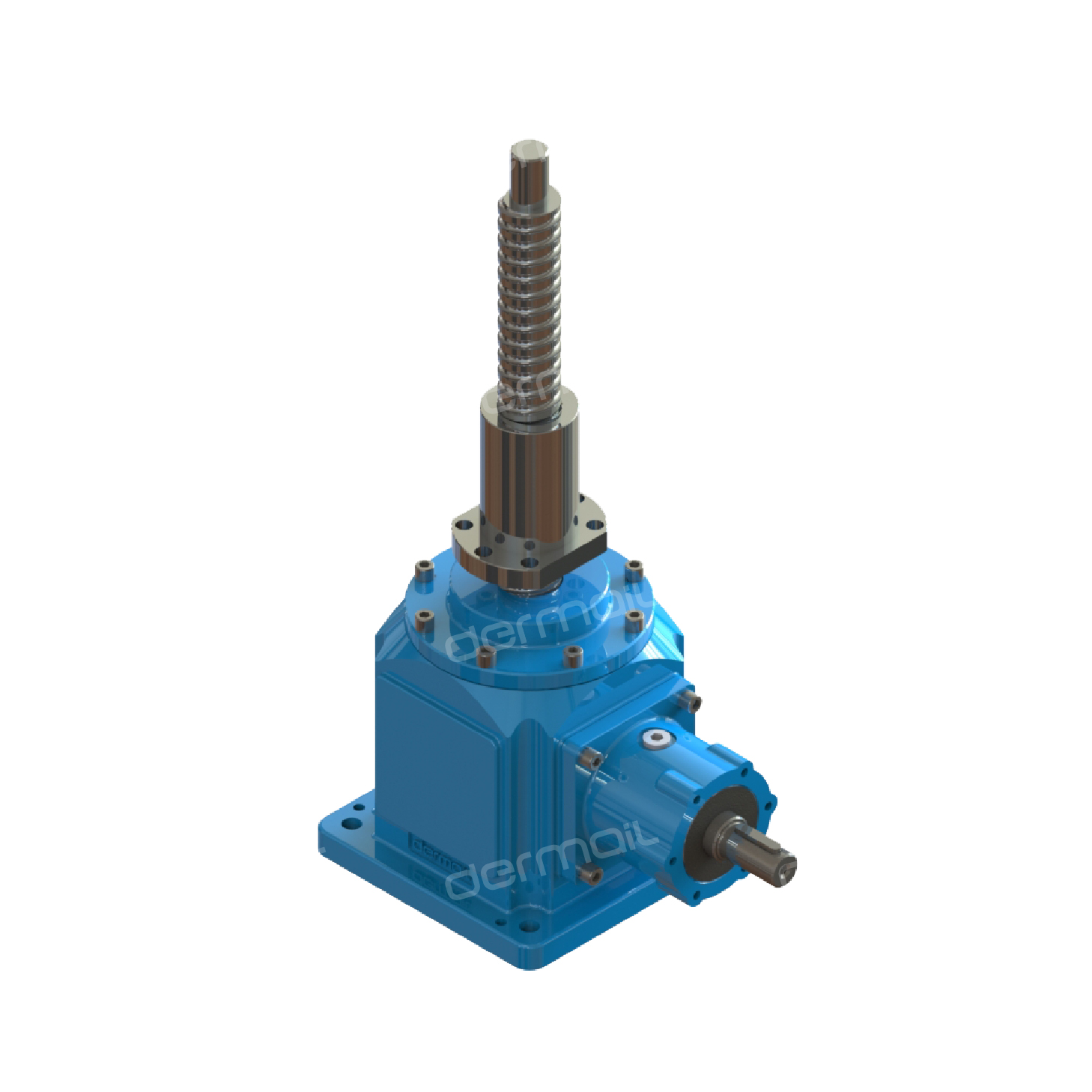
1. Visual Inspection
1.1 External Components
- Check for Damage: Begin by visually inspecting the external parts of the lift, including the housing, bevel gears, screw, and nut. Look for any signs of cracks, dents, or deformations. Even minor damage can potentially lead to more serious problems if left unattended.
- Inspect Fasteners: Ensure that all bolts, nuts, and screws are properly tightened. Loose fasteners can cause misalignment, increased vibration, and even component failure. Use a torque wrench if necessary to verify the tightness of critical fasteners according to the manufacturer's specifications.
1.2 Leakage Check
- Lubricant Leakage: Examine the lift for any signs of lubricant leakage. Leaks can occur around the seals, gaskets, or joints. Lubricant leakage not only reduces the effectiveness of the lubrication system but can also contaminate the surrounding environment. If a leak is detected, identify the source and take appropriate measures to repair it, such as replacing damaged seals or tightening loose connections.
2. Lubrication
2.1 Regular Lubrication Schedule
- Follow Manufacturer's Recommendations: Refer to the manufacturer's manual for the recommended lubrication intervals and the type of lubricant to be used. Different bevel gear screw lifts may have specific requirements based on their design, load capacity, and operating conditions.
- Lubricate Moving Parts: Apply the appropriate lubricant to the bevel gears, screw, nut, and other moving parts. Lubrication reduces friction, wear, and heat generation, ensuring smooth operation and extending the lifespan of the components. Use a grease gun or oil can to apply the lubricant evenly, taking care not to over - lubricate, as excess lubricant can attract dirt and debris.
2.2 Lubricant Quality Check
- Visual and Sensory Inspection: Periodically check the quality of the lubricant. Look for signs of contamination, such as dirt, metal particles, or water. The lubricant should have a smooth, consistent texture and a clear appearance. If the lubricant appears dirty or has an abnormal odor, it may be contaminated and should be replaced.
3. Cleaning
3.1 External Cleaning
- Remove Dirt and Debris: Use a soft brush or compressed air to remove dirt, dust, and debris from the external surfaces of the lift. Accumulated dirt can interfere with the proper functioning of the lift and may cause premature wear of the components. Pay special attention to the areas around the gears, seals, and ventilation openings.
- Wipe with a Clean Cloth: After removing the loose dirt, wipe the external surfaces with a clean, damp cloth to remove any remaining residue. Avoid using harsh chemicals or solvents that may damage the paint or protective coatings on the lift.
3.2 Internal Cleaning (If Accessible)
- Follow Safety Procedures: If the internal components of the lift are accessible for cleaning, follow strict safety procedures. Ensure that the lift is powered off and locked out to prevent accidental startup.
- Remove Contaminants: Use a suitable cleaning agent and a soft brush to gently clean the internal gears, screw, and nut. Remove any built - up grease, dirt, or metal particles that may have accumulated during operation. Be careful not to damage the components during the cleaning process.
4. Operation Check
4.1 Functional Testing
- Perform Lifting and Lowering Tests: Operate the bevel gear screw lift through its full range of motion, lifting and lowering a test load (if safe and feasible). Check for any abnormal noises, vibrations, or irregular movements. Listen for grinding, clicking, or whining sounds, which may indicate worn or damaged components.
- Check Limit Switches: Verify that the limit switches are functioning properly. Limit switches are designed to stop the lift at the upper and lower limits of travel, preventing over - travel and potential damage to the equipment. Test the limit switches by manually activating them and observing the lift's response.
4.2 Load Capacity Verification
- Ensure Proper Load Handling: Make sure that the lift is not being overloaded. Overloading can cause excessive stress on the components, leading to premature failure. Check the load capacity rating of the lift and ensure that the actual load being lifted does not exceed this limit.
5. Record - Keeping
5.1 Maintenance Log
- Document Maintenance Activities: Maintain a detailed maintenance log for the bevel gear screw lift. Record all daily maintenance activities, including visual inspections, lubrication, cleaning, and any repairs or adjustments made. The log should also include the date, time, and the name of the person performing the maintenance.
- Track Component Replacement: Keep track of the replacement of components such as seals, gaskets, and lubricants. This information can help in predicting future maintenance needs and identifying any recurring problems.
By following these daily maintenance practices, you can ensure that your bevel gear screw jacks operates reliably, efficiently, and safely for an extended period. Regular maintenance not only reduces the risk of breakdowns and downtime but also helps to minimize repair costs and extend the overall lifespan of the equipment.
Thank you for reading this article. I'm not sure if it has been helpful in addressing your questions. If you have any other questions about screw lifts, feel free to contact us at Dermail transmission. Our technical engineers will be more than happy to assist you.








Tel:+86-317-7369999
E-mail: demai@demai.org
Mobile:+86-18653450543 (Wechat)
Address:No. 6, Haihe Road, economic development zone, Wuqiao County, Cangzhou City, Hebei Province

点击右上角
分享给朋友吧
Copyright ©2023 All Rights Reserved Hebei Demai Transmission Machinery Co.,Ltd.
Copyright ©2025 All Rights Reserved Hebei Demai Transmission Machinery Co.,Ltd.
